The auspicious festival of Sakat Chauth, also known as Sankashti Chaturthi or Til Chaturthi, will be observed by Hindu devotees across India on Tuesday, January 6, 2026. This significant fast is dedicated to Lord Ganesha and Goddess Parvati and is primarily kept by parents for the long life, good health, and prosperity of their children.
Significance and Rituals of Sakat Chauth Vrat
Sakat Chauth holds immense importance in Hindu culture. The term 'Sakat' refers to obstacles or hardships, and observing this vrat is believed to remove all such challenges from the lives of one's offspring. Devotees observe a strict nirjala (without water) fast from sunrise until moonrise. The fast is broken only after sighting the moon and performing the evening puja.
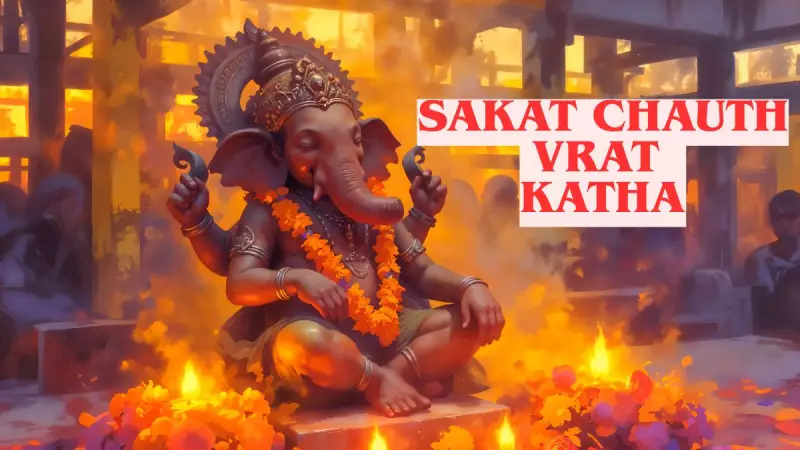
The day involves several key rituals. Devotees wake up early, take a bath, and wear clean clothes. They listen to or recite the sacred Sakat Chauth Vrat Katha, which narrates the story behind the observance. Special prayers are offered to Lord Ganesha and Goddess Parvati. In the evening, a puja thali is prepared with offerings like laddoos, fruits, and sesame seeds (til). The fast concludes after performing 'Arghya' to the moon and consuming the prasad.

The Sacred Sakat Chauth Katha
The vrat katha associated with Sakat Chauth is a powerful narrative that underscores the virtues of faith and devotion. The story typically revolves around a devoted woman or a queen who, through her unwavering observance of this fast, manages to overcome a grave crisis threatening her child's life. Her sincere prayers to Lord Ganesha ultimately lead to the removal of the 'sakat' or obstacle, blessing her child with health and longevity. Listening to this katha with devotion is considered an integral part of the vrat and is believed to bring the blessings of Lord Ganesha to the family.
Puja Vidhi and Important Timings for 2026
For Sakat Chauth 2026, the Chaturthi Tithi begins at 10:04 PM on January 5, 2026, and ends at 08:11 PM on January 6, 2026. The most auspicious time for moon sighting and breaking the fast will be after moonrise on the evening of January 6th. Devotees should consult local panchangs for precise moonrise timings in their city.
The puja vidhi involves a few essential steps. First, clean the puja area and place idols or pictures of Lord Ganesha and Goddess Parvati. Light a diya (lamp) and offer flowers, incense, and the prepared bhog. The bhog traditionally includes items like gud ke laddoo (jaggery ladoos), til ke laddoo (sesame seed ladoos), and seasonal fruits. Recite the Sakat Chauth katha and Ganesha mantras. Finally, offer Arghya to the moon god and then break the fast by consuming the offered prasad along with water.
Observing Sakat Chauth with sincerity is said to not only protect children but also bring peace, happiness, and prosperity to the entire household. It is a beautiful tradition that strengthens familial bonds and spiritual faith.