Saraswati Puja 2026: Key Timings and Celebrations Across India
The auspicious festival of Saraswati Puja, also known as Basant Panchami, is set to be celebrated on January 22, 2026. This day marks the worship of Goddess Saraswati, the deity of knowledge, music, arts, and wisdom, heralding the arrival of spring. Devotees across India prepare to honor her with traditional rituals, seeking blessings for academic success and creative pursuits.
Auspicious Timings for Major Cities
The timings for Saraswati Puja vary by location due to regional astrological calculations. Here are the key details for some of India's major metropolitan areas:
- Kolkata: The puja is scheduled to begin at 6:45 AM and conclude at 12:34 PM. This city, known for its grand celebrations, sees elaborate decorations in educational institutions and homes.
- Delhi: In the national capital, the auspicious time spans from 7:12 AM to 12:18 PM. Many schools and colleges organize special events to invoke the goddess's blessings.
- Mumbai: Devotees in Mumbai can perform the puja between 6:58 AM and 12:09 PM. The coastal city blends traditional rituals with modern festivities.
- Bangalore: The timing here is from 6:41 AM to 12:21 PM. Bangalore's tech-savvy population often incorporates digital elements into their worship.
- Chennai: In Chennai, the puja window is from 6:32 AM to 12:16 PM. The city's cultural hubs see vibrant celebrations with music and dance offerings.
- Hyderabad: The auspicious period runs from 6:37 AM to 12:14 PM. Hyderabad's historic temples and educational centers host special prayers and ceremonies.
Significance and Rituals of Saraswati Puja
Saraswati Puja holds deep cultural and spiritual importance in Hinduism. It is primarily observed by students, artists, and scholars who seek the goddess's grace for enlightenment and skill enhancement. Key rituals include:

- Idol Installation: Placing idols or images of Goddess Saraswati, often adorned in white, symbolizing purity and knowledge.
- Offerings: Devotees present yellow flowers, fruits, sweets, and books or musical instruments as offerings, with yellow being the dominant color of the festival.
- Prayers and Mantras: Reciting hymns and mantras dedicated to Saraswati, such as the Saraswati Vandana, to invoke wisdom and creativity.
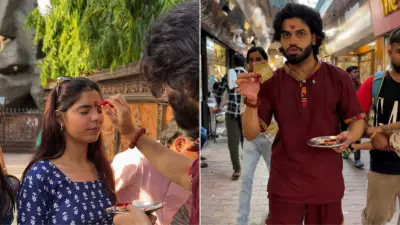
- Community Celebrations: Many institutions and neighborhoods organize collective pujas, followed by cultural programs and feasts.
This festival not only reinforces spiritual values but also promotes education and the arts, making it a cherished event across generations. As 2026 approaches, planning according to these timings can help ensure a harmonious and blessed celebration.