Scholar Calls for Mosque Access for Women, Citing Early Islamic Practices
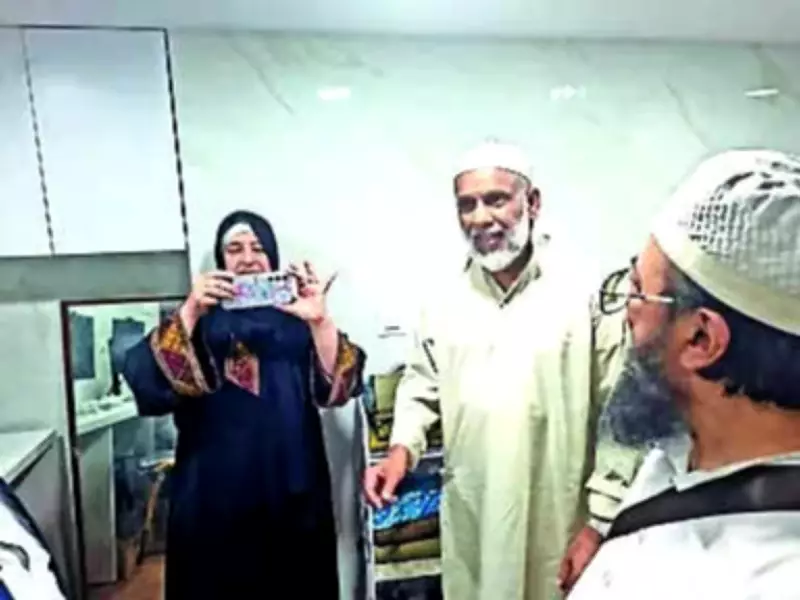
In a series of talks in Mumbai, Indian-British Islamic scholar Mohammad Akram Nadwi, 65, captivated audiences by challenging the widespread practice of discouraging women from visiting mosques for prayers. Speaking at venues including Anjuman-i-Islam's Saboo Siddik Engineering College in Byculla and a civic hall in Mira Road, Nadwi asserted that this restriction goes against the traditions established by Prophet Muhammad and his companions.
Historical Evidence from Early Islam
Nadwi, a former research fellow at the Oxford Centre for Islamic Studies, emphasized that the Prophet actively engaged with women, allowing them to participate in discussions and even battles. "If women in early Islam could participate in battles, why would they be prevented from joining men in prayers?" he questioned, highlighting the inconsistency with contemporary norms in the Indian subcontinent.
Groundbreaking Research on Women Hadith Narrators
Hailing from Jaunpur, Uttar Pradesh, and educated at Nadwatul Ulema in Lucknow before pursuing higher studies at Oxford, Nadwi has dedicated his research to women narrators of Hadiths—the sayings and traditions of the Prophet. His seminal work, spanning 43 volumes, documents details on over 10,000 women narrators, earning him acclaim as a leading contemporary Islamic scholar.

Impact on Modern Muslim Communities
Uzma Naheed, founder-director of the NGO Iqra Integral Women's Alliance, which facilitated Nadwi's talks, noted the historical neglect of women's education in post-1857 India, where madrassas focused primarily on males. "Women remained mostly confined to their homes, and even when educated, their presence in mosques was not appreciated," she explained. However, thanks to scholars like Nadwi, many mosques are now beginning to open their doors to women, signaling a shift toward greater inclusivity.
Nadwi's mission aims to dismantle unwritten moral codes that have long barred women from mosque worship, advocating for a return to the Prophet's inclusive practices. His work underscores the importance of historical accuracy in promoting gender equality within Islamic traditions.