The Mystical Power of Shani Shingnapur Temple in Maharashtra
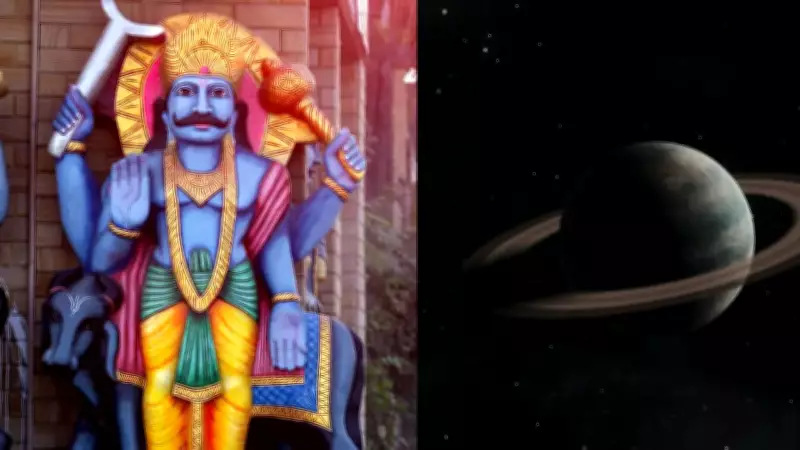
For countless individuals grappling with life's relentless obstacles and karmic hurdles, a visit to the Shani Shingnapur Temple in Maharashtra might just be the transformative experience they seek. This sacred site is dedicated to Lord Shani, the revered deity of karma and divine justice in Hindu mythology. Millions of devotees flock here annually, drawn by the promise of spiritual solace and the chance to neutralize the adverse effects of planetary influences.
A Divine Shrine Steeped in Vedic Tradition
Nestled in the Nevasa Taluka of Ahmednagar district, Maharashtra, this holy shrine is widely regarded as one of the most potent Shani temples across India. Rooted in ancient Vedic beliefs, the temple has gained global fame for its extraordinary village setting, where houses famously lack doors. This architectural anomaly stems from a deep-seated faith in Lord Shani's protective aura, symbolizing a community living under his watchful eye.
Pilgrims specifically journey to this temple to seek relief from "Shani Dosha" or the challenging "Sade Sati" period, which spans seven and a half years. They believe that the elemental power of Lord Shani at this location can effectively counteract negative karma. Unlike conventional temples shrouded in ornate structures, the energy here is exposed to the elements, reflecting the transparent and unwavering justice that Saturn embodies.

The Swayambhu Idol: A Natural Source of Raw Energy
The temple's formidable reputation largely hinges on its Swayambhu idol, a term meaning "self-manifested." This idol emerged naturally from the earth, untouched by human craftsmanship, rather than being carved by artisans. It manifests as a simple yet imposing black stone slab, standing resolutely in the open air, enduring sun, rain, and wind without shelter.
Devotees hold that because the deity is not confined within a traditional "Garbhagriha" or sanctum sanctorum, its spiritual energy remains unrestricted and exceptionally potent. For those suffering under Saturn's heavy influence, direct contact with this raw, grounded vibration is thought to "ground" their own turbulent energies, fostering a sense of stability and peace.
The Ritual of Tel-Abhishekam: Offering Hardships to the Deity
The most significant ritual performed at Shani Shingnapur is the Tel-Abhishekam, which involves pouring mustard oil over the black stone idol. In Vedic mythology, Saturn, or Shani Dev, is intrinsically linked to the element of oil, which is used to soothe his wounds and appease his stern disposition. Through this act, devotees symbolically surrender their personal hardships and life's "friction" to the deity.
It is widely believed that as the oil cascades over the idol, it absorbs the "heat" associated with Saturn-related problems, providing immediate relief to the worshipper. This ritual serves as a powerful metaphor for cleansing one's karmic burdens and seeking divine intervention.
A Village of Truth and Transparency
Saturn is the celestial body associated with truth, and Shani Shingnapur stands as a unique testament to living by Saturn's rigorous moral code. The absence of doors and locks in the village is a living demonstration of the conviction that any act of theft or deception will incur swift karmic retribution from Shani Dev.
Visitors seeking Dosha relief often find that immersing themselves in an environment of absolute honesty helps them realign their lives toward integrity. Since Saturn is known to penalize dishonesty, by stepping into this "land of truth," individuals subconsciously commit to a more ethical path, which is considered the fastest route to earning Saturn's favor.
The Path of Surrender and Personal Growth
For those enduring the arduous Sade Sati period, life can feel like an unending sequence of delays and uphill struggles. Visiting this temple offers a profound psychological and spiritual sense of surrender. There is a specific tranquility in standing before the massive black stone and acknowledging that certain life events are beyond human control.

This act of humility aligns perfectly with what Saturn demands from devotees. When a person ceases to resist Saturn's lessons and instead bows before the "Great Taskmaster" at Shingnapur, the "Dosha" is said to lose its potency, transforming a phase of suffering into one of deep personal growth and enlightenment.