Sheetala Ashtami 2026: The Quiet Festival of Health and Tradition After Holi
As the vibrant colors of Holi gradually fade and daily routines resume, numerous Hindu households across India prepare to observe a more subdued yet deeply meaningful celebration known as Sheetala Ashtami. This festival, alternatively called Basoda or Basora, stands in stark contrast to the boisterous revelry of Holi, emphasizing instead serene prayers, time-honored customs, and the consumption of food prepared in advance.
Dedication to Goddess Sheetala and Regional Observance
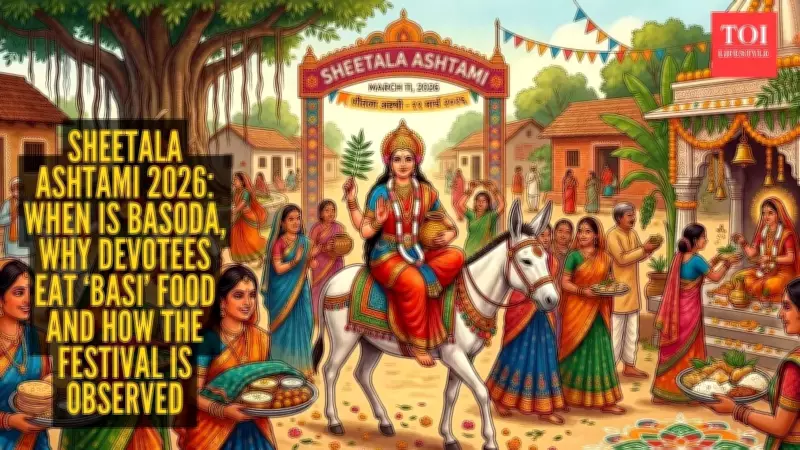
The festival is wholly devoted to Goddess Sheetala, a deity revered for safeguarding individuals, particularly children, from various ailments and infections. Families offer prayers to her, seeking blessings for robust health and wellness. Traditionally, mothers often take the central role in conducting the rituals, underscoring the familial and protective essence of the occasion.
Sheetala Ashtami is predominantly celebrated in the states of Rajasthan, Uttar Pradesh, Madhya Pradesh, Gujarat, and Haryana, where the Basoda tradition remains vigorously alive and integral to cultural practices.

Sheetala Ashtami 2026 Date and Timings
According to the Hindu Panchang, Sheetala Ashtami in 2026 will be observed on Wednesday, March 11. The festival occurs on the Ashtami tithi of Krishna Paksha during the month of Chaitra, typically about a week following Holi. The precise timings for the day are as follows:
- Ashtami Tithi begins: 1:54 AM on March 11, 2026
- Ashtami Tithi ends: 4:19 AM on March 12, 2026
Most devotees perform the puja rituals during the daytime hours of March 11. However, preparations commence a day earlier on Sheetala Saptami, when all food for the festival is cooked and set aside.
Historical Significance and Practical Origins
The celebration of Sheetala Ashtami is rooted in the ancient belief that Goddess Sheetala provides protection against infectious diseases. In historical contexts, communities faced widespread fear from illnesses such as smallpox, measles, and chickenpox, with limited medical resources available. Consequently, people turned to faith and ritualistic practices as a means of seeking safety and healing.
The name Sheetala itself translates to cool or soothing, a concept that profoundly influences the festival's observances. Unlike most Hindu festivals where fresh meals are prepared, on Sheetala Ashtami, cooking fires remain extinguished, and families consume food made the previous day. This practice aligns with the goddess's preference for calmness and cooling energies, avoiding the heat generated by cooking.
Some interpretations also highlight a practical aspect to this tradition. The festival coincides with the transitional period from winter to warmer weather, a time historically associated with increased spread of infections. Rituals emphasizing cleanliness, rest, and mindful eating may have subtly encouraged communities to adopt cautious health practices.
The Unique Basoda Tradition
A defining feature of Sheetala Ashtami is the Basoda tradition, derived from the word basi, meaning food cooked earlier. On Sheetala Saptami, families prepare an array of dishes, which are left overnight. The following morning, this food is first offered to Goddess Sheetala as bhog before being shared as prasad among family members.
Common offerings include comforting items such as pooris, sweet rotis, jaggery-based sweets, rice preparations, and gulgule. Throughout Sheetala Ashtami, stoves remain completely unused, reinforcing the theme of tranquility and cooling.
Rituals and Observances on the Day
The day typically begins early, with devotees rising before sunrise to bathe and initiate prayers. Homes are thoroughly cleaned, and a dedicated worship area is arranged, often adorned with flowers and featuring an image or idol of Sheetala Mata. The pre-cooked food is presented as an offering, and neem leaves, symbolizing healing and protection, are frequently incorporated into the prayers.

Following the offering, the food is distributed and consumed as prasad. In many towns and villages, devotees visit Sheetala Mata temples in the early morning, where families gather for collective prayers, creating an atmosphere of peace rather than festivity. Additional rituals may include reading the Sheetala Ashtami vrat katha and performing aarti to complete the observance.
Enduring Relevance and Cultural Significance
While Sheetala Ashtami may not garner the widespread attention of festivals like Holi or Diwali, it holds profound significance in countless households. For generations, families have quietly upheld this tradition, with mothers praying for their children's health and elders passing down customs. The simple act of eating food prepared a day earlier connects participants to a rich historical legacy.
The festival's simplicity is inherently comforting—eschewing elaborate decorations and grand celebrations in favor of faith, family, and a poignant reminder of the enduring importance of health and well-being. In 2026, as Sheetala Ashtami is observed on March 11, many homes will once again embrace this routine of early prayers, Basoda food, and quiet devotion to the goddess believed to offer protection and healing.