Shia Religious Authority in Jammu & Kashmir Establishes Independent Ramzan Moon Sighting Protocol
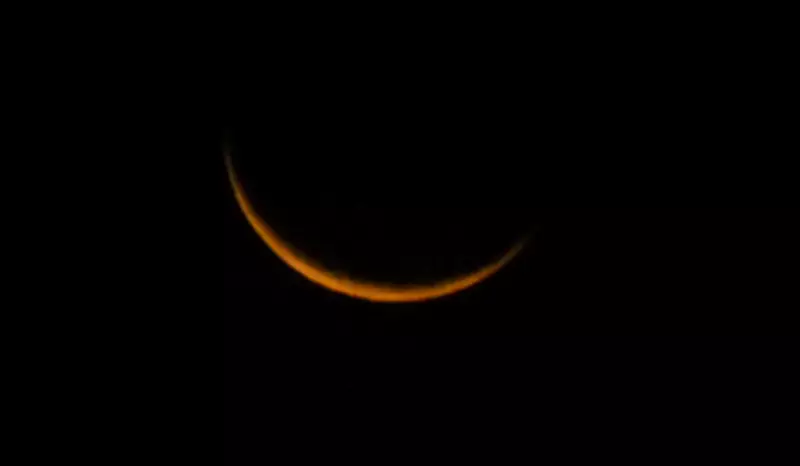
In a significant shift from decades of established practice, a prominent Shia religious body in Jammu & Kashmir has formally redefined the process for determining the beginning of the holy month of Ramzan. This move represents a deliberate departure from the traditional reliance on cross-border moon sighting reports that have long influenced declarations in the region.
Ending Decades of Cross-Border Reliance
For over fifty years, the dominant moon-sighting declarations throughout the Kashmir Valley were closely associated with prominent Sunni clerics, including Mirwaiz Umar Farooq and Mufti Nisar-ul-Islam. Their announcements traditionally factored in verified sightings reported from across the border in Pakistan, creating a system of religious calendaring that transcended national boundaries.
This cross-border dependency has now been fundamentally challenged by the Shia religious council's decision to establish a completely independent verification process. The new protocol emphasizes local observation committees, scientific verification methods, and community-based validation before any official declaration is made.

The New Local Validation System
The Shia body has implemented a comprehensive three-tier system for determining the Ramzan moon sighting:
- Local Observation Committees: Teams of trained observers stationed at strategic locations across Jammu & Kashmir
- Scientific Verification: Consultation with astronomical experts and use of modern tracking technology
- Community Validation: Cross-checking with multiple reliable witnesses before final declaration
"This represents more than just a procedural change," explained a senior member of the Shia religious council who requested anonymity. "It's about establishing religious autonomy and creating a system that reflects our local context and community needs, rather than depending on external validation."
Historical Context and Regional Implications
The traditional system, while longstanding, has occasionally created confusion and division within Jammu & Kashmir's diverse Muslim community. Different sects and regions would sometimes begin Ramzan on different days based on varying interpretations of moon sighting reports.
- The new system aims to create greater unity within the Shia community
- It establishes clear, transparent procedures that can be independently verified
- The protocol respects religious traditions while incorporating modern verification methods
This development comes at a time when religious practices in Jammu & Kashmir are undergoing significant reevaluation and localization. The Shia body's decision to establish independent moon sighting procedures reflects broader trends toward religious self-determination and community-led decision-making processes.
The implementation of this new system will be closely watched during the upcoming Ramzan season, with many observers curious to see how it functions in practice and whether it might influence similar developments in other religious communities across the region.