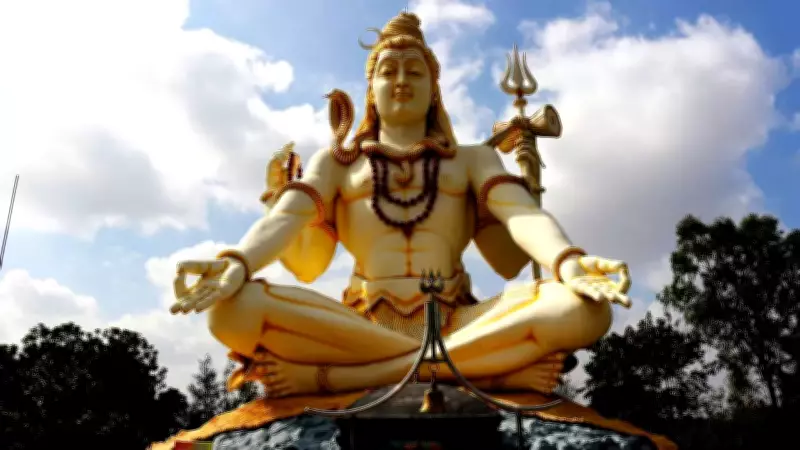
Lord Shiva: The Supreme Deity of Destruction and Benevolence
Lord Shiva holds a revered position as one of the principal deities in the Hindu Trinity, alongside Lord Brahma and Lord Vishnu. Widely worshipped as Bholenath, meaning the innocent one, and Mahadeva, the lord of lords, he attracts millions of devotees who approach him with unwavering devotion and purity. While often recognized as the god of destruction, Shiva is equally celebrated as the greatest of givers, bestowing longevity and well-being upon those who worship him with sincere intentions.
Effective Ways to Worship Lord Shiva
Devotees can connect with Lord Shiva through various puja rituals, with mantra chanting standing out as one of the most accessible and powerful methods. Regular chanting of specific mantras is believed to invoke his blessings, fostering spiritual growth and personal transformation. Below, we detail some of the most potent Shiva mantras recommended for daily practice, along with their meanings and associated benefits.
Key Shiva Mantras for Daily Chanting
Shiva Gayatri Mantra

Om Tatpurushaya Vidmahe Mahadevaya Deemahi Tanno Rudrah Prachodayat.
This mantra translates to: "Oh greatest God, grant me a superior intellect and may God Rudra illuminate my mind. Om, let me contemplate on the great Purusha." Chanting this mantra is known to promote mental clarity and spiritual insight.
Panchakshari Shiva Mantra
Om Namah Shivaya.
Meaning "I bow to Shiva," this concise yet profound mantra is a cornerstone of Shiva worship, symbolizing surrender and reverence to the divine.
Mahamrityunjaya Mantra
Om Tryambakam Yajamahe Sugandhim Pushti Vardhanam Urvarukamiva Bandhanan Mrityor Mukshiya Maamritat.
This mantra signifies: "We adore the fragrant, three-eyed one who nourishes all living beings. Just as a cucumber is freed from its vine, may I be liberated from death for the sake of immortality." It is particularly revered for its protective qualities.
Shiva Dhyan Mantra
Karacharana Kritam Vaa Kaya Jam Karmajam Vaa Shravannayanjam Vaa Maansam Vaa Paradham Vihitam Vihitam Vaa Sarv Metat Kshamasva Jay Jay Karunaabdhe Shri Mahadev Shambho.
This mantra expresses gratitude for the removal of negative energies—such as stress, rejection, failure, and sadness—from the body, mind, and soul, invoking Shiva's compassionate nature.
Shiva Rudra Mantra
Om Namo Bhagwate Rudraaye.
Meaning "I kneel down to the all-powerful Lord of Rudraksha and offer prayers," this mantra is associated with fulfilling desires through Shiva's benevolent aspect as Rudra.
Benefits of Chanting Shiva Mantras
Regular recitation of these mantras offers a range of spiritual and psychological advantages:
- Individuals experiencing feelings of helplessness or weakness may find that chanting these mantras provides courage and strength, helping them navigate life's challenges more effectively.
- The Mahamrityunjaya mantra is especially beneficial for those fearing death or caring for seriously ill loved ones, offering both physical and psychological support during difficult times.
- Since Lord Shiva, in his form as Rudra, is considered one of the most compassionate deities in Hinduism, chanting the Rudra Mantra is believed to grant wishes and bring about positive changes in one's life.
- The Shiva Gayatri mantra aids in calming a restless mind, introducing stability and serenity to promote overall mental relaxation and focus.
- Chanting the Shiva Dhyan mantra helps maintain a peaceful atmosphere and assists in cleansing negative energy from one's aura, fostering a more harmonious environment.
Incorporating these mantras into daily spiritual practice can deepen one's connection with Lord Shiva, enhancing personal well-being and spiritual fulfillment through dedicated devotion.