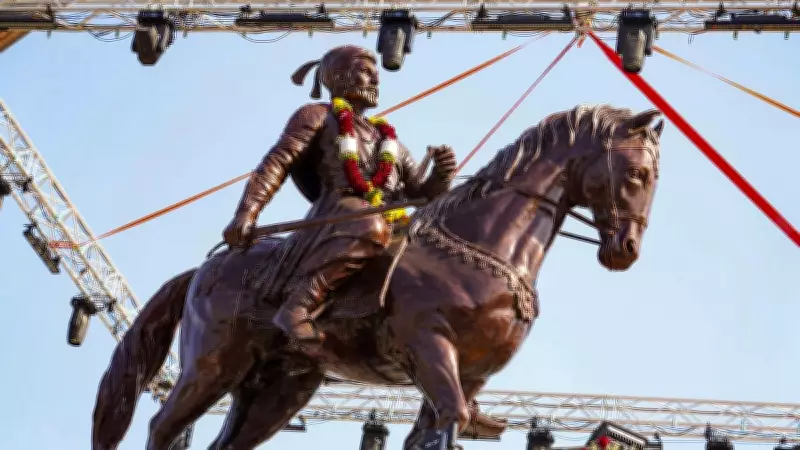
Shivaji Maharaj's 1666 Aurangabad Visit Drew Massive Crowds, Showcasing His Rising Influence
In a significant historical event from 1666, Chhatrapati Shivaji Maharaj's arrival in Aurangabad drew exceptionally large crowds, reflecting his escalating prominence as a formidable Maratha warrior king. This visit occurred during a period when Aurangabad served as the capital of the Mughal province of Deccan, making the gathering a notable demonstration of public support and admiration for Shivaji Maharaj amidst Mughal-dominated territories.
Historical Context and Public Reception
The year 1666 marked a pivotal moment in the Maratha-Mughal dynamics, with Shivaji Maharaj's journey to Aurangabad symbolizing his strategic engagements and growing influence across the region. His ability to attract such substantial crowds in the heart of Mughal administrative power underscored the deep respect and following he commanded, even among populations under Mughal rule. This event is often cited by historians as evidence of his charismatic leadership and the widespread appeal of his vision for Maratha sovereignty.
Eyewitness accounts and historical records suggest that the crowds were not merely spectators but included supporters from various social strata, indicating a broad-based admiration for his military prowess and governance. The visit likely served multiple purposes, including diplomatic overtures and showcasing Maratha strength to Mughal authorities, thereby reinforcing Shivaji Maharaj's position as a key player in Deccan politics.

Coinciding with Birth Anniversary Celebrations
This historical episode gains renewed relevance as it aligns with the celebration of Shivaji Maharaj's birth anniversary on Thursday. Annually, his legacy is commemorated with great fervor across Maharashtra and beyond, honoring his contributions to Maratha culture, resistance against Mughal expansion, and establishment of a sovereign kingdom. The 1666 Aurangabad visit is frequently highlighted during these celebrations as a testament to his enduring impact and the public's unwavering support during his lifetime.
Modern-day observances include cultural events, educational programs, and public gatherings that reflect on his life and achievements. This anniversary serves as a reminder of how historical moments, like the Aurangabad crowds, continue to inspire generations, emphasizing values of courage, leadership, and regional pride.
Legacy and Historical Significance
The large crowds during Shivaji Maharaj's 1666 visit are more than just a historical anecdote; they represent a critical juncture in Indian history. This event illustrates the shifting power dynamics in the Deccan, where Maratha influence was steadily rising despite Mughal dominance. It also highlights Shivaji Maharaj's adeptness at navigating complex political landscapes, using public appearances to bolster his image and consolidate support.
Key aspects of this legacy include:
- Military Strategy: His visits often doubled as strategic moves to assess Mughal strengths and weaknesses.
- Cultural Impact: The crowds reflected a cultural resurgence and pride in Maratha identity.
- Political Acumen: Demonstrating popularity in enemy territory showcased his diplomatic and political skills.
In summary, the 1666 Aurangabad visit remains a powerful symbol of Shivaji Maharaj's growing stature, with its historical importance amplified by ongoing birth anniversary commemorations. This episode continues to be studied and celebrated for its insights into leadership and public engagement in medieval India.