DNA Analysis of Shroud of Turin Uncovers Genetic Links to India
A recent and comprehensive DNA study conducted on the Shroud of Turin has yielded surprising results, indicating a potential Indian origin for the ancient linen cloth. This finding has reignited long-standing debates among historians, scientists, and religious scholars regarding the authenticity and provenance of the shroud, which many Christians believe to be the burial cloth of Jesus Christ.
Groundbreaking Genetic Research and Its Implications
The study, which involved advanced genetic sequencing techniques, analyzed microscopic samples extracted from the shroud. Researchers identified specific DNA markers that are predominantly found in populations from the Indian subcontinent. This discovery challenges previous theories that suggested the shroud originated in the Middle East or Europe, where Jesus Christ is traditionally believed to have lived and been buried.
The implications of this research are profound, as it opens up new avenues for understanding the historical journey of the shroud. Scientists involved in the study have emphasized that while the DNA evidence points to an Indian connection, it does not definitively prove or disprove the shroud's association with Jesus Christ. Instead, it provides a tangible clue about the cloth's material and possible geographical origins.

Historical Context and Ongoing Debates
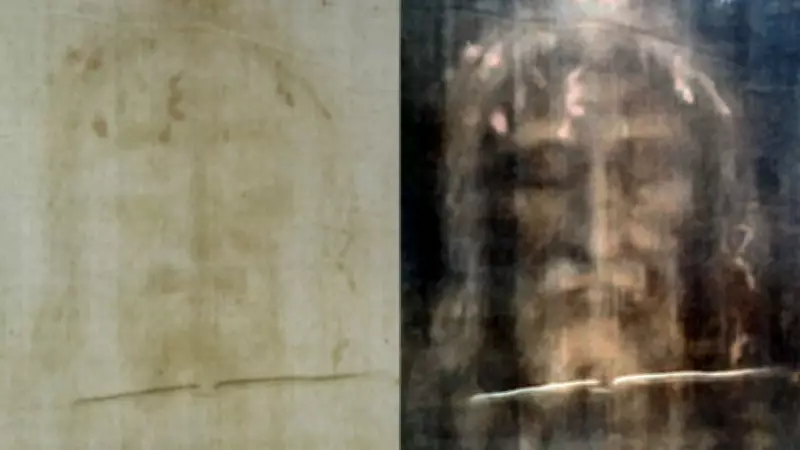
The Shroud of Turin has been a subject of intense scrutiny and controversy for centuries. Measuring approximately 14 feet by 3.5 feet, it bears the faint image of a man with wounds consistent with crucifixion, leading many to venerate it as a sacred relic. Previous scientific investigations, including carbon dating in the 1980s, suggested the shroud dated from the medieval period, but these results have been contested due to potential contamination and sampling issues.
This new DNA study adds a fresh layer to the ongoing discourse, prompting questions about how a cloth with Indian genetic markers could have become associated with a figure from ancient Judea. Some theories propose that the linen may have been traded along ancient silk routes, eventually reaching the Holy Land, while others speculate about alternative historical narratives.
Reactions from the Scientific and Religious Communities
Reactions to the study have been mixed. Many scientists have praised the rigorous methodology and called for further research to corroborate the findings. They highlight the importance of using modern genetic tools to unravel historical mysteries, noting that DNA analysis can provide insights that traditional archaeology cannot.
Within religious circles, the response has been more varied. Some believers view the study as an interesting scientific footnote that does not diminish their faith in the shroud's significance. Others express skepticism, urging caution in interpreting genetic data without broader historical context. The Catholic Church, which has custody of the shroud in Turin, Italy, has not issued an official statement but has historically supported scientific examination while maintaining neutrality on its authenticity.
Future Research Directions and Global Interest
Looking ahead, researchers plan to expand the study by analyzing additional samples and comparing the shroud's DNA with other ancient textiles from around the world. This could help build a more comprehensive picture of its origins and history. The findings have also sparked interest in India, where scholars are exploring potential connections to ancient textile traditions and trade networks.
In conclusion, the DNA study on the Shroud of Turin represents a significant step in the scientific exploration of this enigmatic artifact. By suggesting a possible Indian origin, it challenges conventional wisdom and invites deeper investigation into the cloth's past. As debates continue, this research underscores the enduring fascination with the shroud and its place at the intersection of science, history, and faith.