The Sacred Flame: Unveiling the Spiritual and Cultural Significance of Camphor in Hindu Rituals
In countless Indian households, the act of worshipping deities and completing Hindu rituals is profoundly intertwined with the burning of camphor. This small, crystalline substance is far more than a mere accessory; it is a quintessential element deeply embedded in the fabric of Hindu culture. But what elevates camphor to such a revered status? This article delves into its origins, symbolic meanings, and practical applications, offering a comprehensive understanding of its indispensable role.
What is Camphor?
Camphor is a waxy, crystalline compound derived from the Cinnamomum camphora tree, which holds a sacred place in Hindu traditions. Esteemed for its potent healing and purifying properties, this natural substance has been utilized for centuries in religious and medicinal contexts. Its unique ability to burn completely without leaving any residue makes it a powerful metaphor in spiritual practices, symbolizing purity and transformation.
Why is Camphor an Inseparable Part of Indian Culture?
Highly revered in Hindu culture, camphor symbolizes the surrender of ego, as it burns entirely without residue, representing spiritual enlightenment and oneness with the divine. According to Vedic traditions, camphor is one of the most potent purifiers, capable of burning away negativity, warding off the evil eye, and ushering in waves of positivity and divine blessings. In fact, it is widely believed that the samapan or completion of Hindu rituals and pooja only occurs after lighting a camphor lamp.

This belief underscores why keeping camphor and lighting a camphor lamp in the puja room are considered essential for attracting divine blessings and fostering a positive energy flow throughout the home. The puja room or mandir is regarded as the energy core of any household, and the sacred smoke from camphor is thought to remove negativity, aid in ego dissolution, and promote spiritual upliftment. Additionally, it is known to bring harmony, prosperity, and peace, making it a cornerstone of daily worship and ceremonial practices.
Where to Place the Camphor Lamp in the Puja Room?
As per the principles of Vastu Shastra and Vedic culture, the pooja room should ideally be situated in the northeast corner of the house, known as the Ishan Kon. Lighting a camphor lamp daily in this direction is believed to amplify its purifying effects by aligning with cosmic energies. This practice is said to help seek the blessings of Lord Shiva, as camphor possesses the ability to dispel stagnant vibes and enhance spiritual connectivity.
It is advised to avoid placing the camphor lamp in the south direction, as this may disrupt the positive flow of energy and diminish camphor's potency. For continuous absorption of Vastu doshas, it is recommended to place small pieces of camphor near deity idols or in the corners of the room, ensuring a sustained purification process.
Camphor Rituals for Enhanced Spiritual Benefits
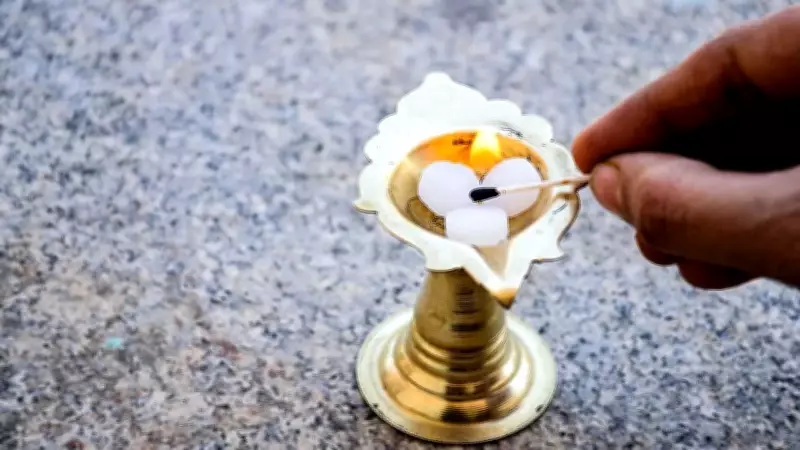
To seek the blessings of the almighty, remove doshas, or invite positivity into the home, lighting pure camphor during evening aarti in a brass or silver lamp facing east or north is considered highly effective for maximizing energy elevation. Burning camphor thrice daily can help counter Pitra Dosha or planetary afflictions, filling the space with healing fumes that promote well-being. Furthermore, combining camphor with cloves during rituals is believed to attract wealth and aid in cleansing, adding another layer of spiritual and material benefit to this ancient practice.
In summary, camphor is not just a ritualistic item but a profound symbol of purity and spiritual devotion in Hindu culture. Its integration into daily worship and adherence to Vastu guidelines highlight its enduring significance in fostering a harmonious and blessed living environment.