Why Sri Lanka is Called the Pearl of the Indian Ocean
Globally recognized as the 'Pearl of the Indian Ocean,' Sri Lanka embodies a unique blend of natural splendor, historical richness, and cultural depth. This evocative nickname captures the island's exceptional qualities that have fascinated travelers and historians for centuries.
A Teardrop-Shaped Island of Astonishing Diversity
Sri Lanka's geographical form resembles a teardrop, much like a pearl washed ashore in the vast Indian Ocean. However, the significance of this name extends far beyond mere shape. The island's compact size belies an extraordinary concentration of diverse landscapes and ecosystems.
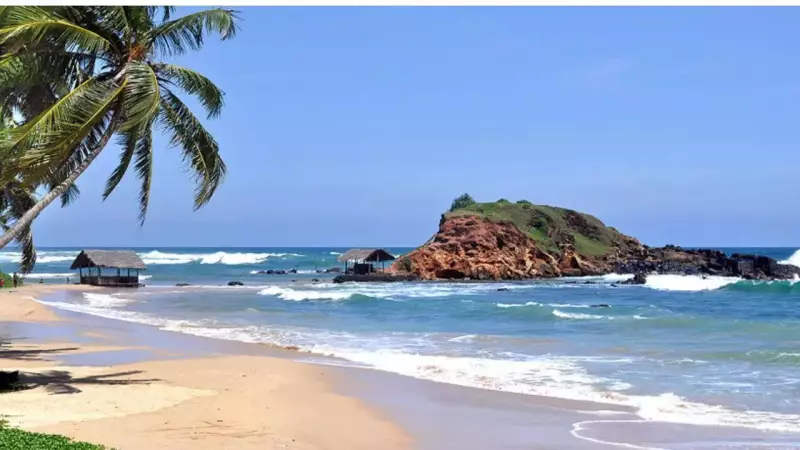
Within relatively short distances, one can encounter misty highland forests, rolling tea plantations, expansive dry plains, lush wetlands, and coral-rich coastal environments. This remarkable ecological variety supports an equally impressive array of wildlife, including elephants, leopards, sloth bears, and hundreds of bird species. National parks and forest reserves protect numerous plant and animal species found nowhere else on Earth, making Sri Lanka shine like a precious gem in terms of biodiversity.

Historical Significance as a Trade Hub
Sri Lanka's strategic position in the Indian Ocean made it a crucial maritime hub connecting East Asia, the Middle East, and Europe for centuries. Ancient travelers and traders utilized the island as a vital stopover for transporting valuable commodities such as spices, cinnamon, pearls, elephant ivory, and precious stones.
This long history of international exchange brought not only material wealth but also diverse cultural influences to the island. Sri Lanka became known not just for its own productions but as a meeting point of civilizations, enhancing its reputation as a rare and valuable destination in the region.
The Gemstone Connection
Precious stones play a central role in Sri Lanka's identity as the Pearl of the Indian Ocean. The island has produced some of the world's finest sapphires, particularly the deep blue varieties that have adorned royal collections and museums worldwide. Other gems including rubies, moonstones, garnets, and cat's eye stones are also sourced from Sri Lankan soil.
For centuries, these gemstones have symbolized purity, beauty, and wealth. The global demand for Sri Lankan gems reinforced the perception of the island as a land of hidden treasures, further cementing its pearl-like status among nations.
Rich Cultural and Spiritual Heritage
Sri Lanka's cultural heritage adds another dimension to its pearl-like reputation. Ancient cities, monasteries, and monuments reveal a sophisticated civilization with advanced architecture, irrigation systems, and artistic traditions. UNESCO World Heritage sites like Sigiriya, Anuradhapura, and Polonnaruwa showcase centuries of learning and craftsmanship.
Religion forms the core of daily life on the island, with Buddhism maintaining deep historical roots alongside Hinduism, Islam, and Christianity. Sacred sites, rituals, and festivals continuously shape the cultural landscape, preserving spiritual values that have endured through generations.
The Enduring Symbolism
The nickname 'Pearl of the Indian Ocean' represents more than poetic description—it encapsulates Sri Lanka's multifaceted appeal. From its fertile lands and precious resources to its strategic importance and cultural sophistication, the island has consistently been viewed as a jewel among nations.
Ancient travelers often described Sri Lanka as a place of abundance and refinement, appearing against the vast expanse of the Indian Ocean like a rare pearl valued for its beauty and uniqueness. This perception continues today, as the island maintains its reputation for natural beauty, historical significance, and cultural richness that truly justifies its celebrated nickname.