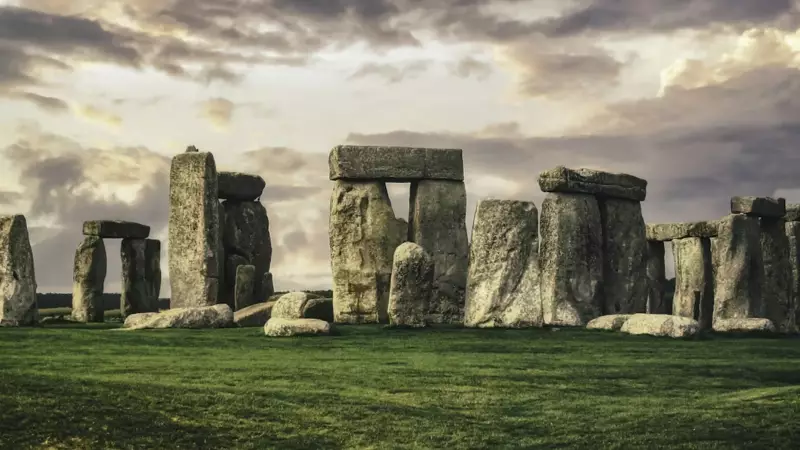
Stonehenge: Unraveling the Mysteries of the Ancient Monument
Stonehenge stands as one of the world's most famous prehistoric monuments. Located in Wiltshire, England, this ancient site continues to captivate people with its enigmatic history and purpose. Archaeologists and historians have studied it for centuries, yet many questions remain unanswered.
The Origins and Construction
Stonehenge dates back to around 3000 BC to 2000 BC, built in several phases over many years. The monument consists of large standing stones arranged in a circular pattern. Some stones weigh up to 25 tons, transported from quarries miles away. This feat of engineering puzzles experts, as ancient builders lacked modern tools.
They likely used simple techniques like sledges and ropes. The bluestones, a key component, came from Wales, over 150 miles distant. This long-distance transport suggests significant effort and organization by prehistoric communities.

Purpose and Theories
Why did people build Stonehenge? Various theories exist, but no single answer prevails. Many believe it served as an astronomical observatory. The stones align with the sunrise during the summer solstice, indicating a connection to celestial events.
Others think it was a religious site or burial ground. Excavations have uncovered human remains nearby, supporting this idea. Some speculate it functioned as a healing center, drawing pilgrims from afar. The true purpose might combine multiple roles, reflecting the complex beliefs of its creators.
Key Features and Layout
Stonehenge's design includes several distinct elements:
- Outer Circle: Large sarsen stones form a ring, topped by lintels.
- Inner Horseshoe: Trilitons, or two upright stones with a lintel, arranged in a horseshoe shape.
- Bluestones: Smaller stones placed in circles and arcs within the monument.
- Altar Stone: A central slab that may have had ceremonial importance.
The entire structure covers about 30 meters in diameter. Its precise alignment with solar and lunar cycles highlights the builders' advanced knowledge.
Modern Significance and Preservation
Today, Stonehenge is a UNESCO World Heritage Site, attracting millions of visitors annually. It symbolizes human ingenuity and our connection to the past. Preservation efforts focus on protecting the stones from erosion and damage.
Researchers use new technologies like ground-penetrating radar to uncover hidden features. Recent discoveries include nearby burial mounds and ancient pathways, enriching our understanding of the landscape.
Despite ongoing studies, Stonehenge retains an air of mystery. It reminds us of the enduring quest to comprehend our ancestors' achievements. Whether for astronomy, religion, or community gatherings, this monument stands as a testament to prehistoric innovation.