Unraveling the Origins of Feline Domestication
A groundbreaking study has provided fresh insights into the timeline of cat domestication, revealing that this process began much earlier than previously thought. Researchers have traced the roots of domestic cats back to the Near East, where early agricultural societies first interacted with wild felines around 10,000 years ago.
The Role of Agriculture in Cat-Human Bonds
As humans transitioned to farming and settled communities, they began storing surplus grains, which attracted rodents. Wild cats, natural predators of these pests, were drawn to human settlements. This mutual benefit—cats controlling vermin and humans providing a steady food source—laid the foundation for domestication. Over centuries, this relationship evolved, with cats becoming more tolerant of human presence and eventually integrated into households as companions.
Genetic and Archaeological Evidence
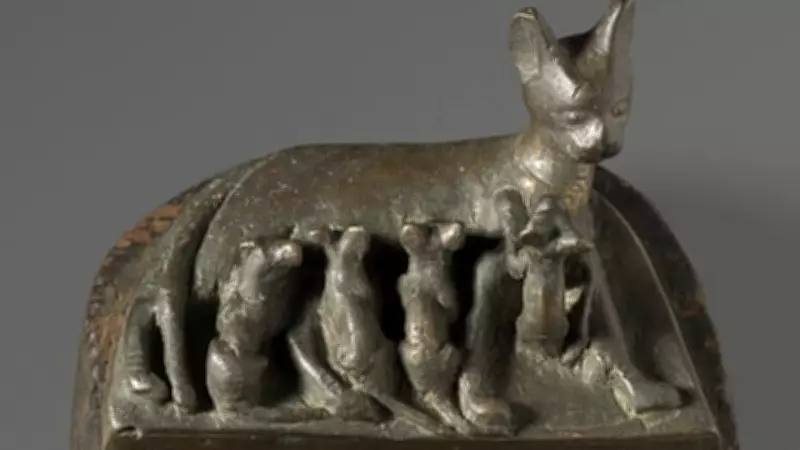
Genetic analyses of ancient cat remains, combined with archaeological findings, indicate that domestication was a gradual process. Unlike dogs, which were actively bred for specific traits, cats largely domesticated themselves through this symbiotic relationship. Evidence from sites in Cyprus and Egypt suggests that by 4,000 years ago, cats were already established as pets in some cultures, with depictions in art and burial practices highlighting their valued status.

This research not only clarifies the timeline but also underscores the unique path of cat domestication, driven by ecological factors rather than direct human intervention. It offers a fascinating glimpse into how our bond with these animals has shaped both feline evolution and human history.