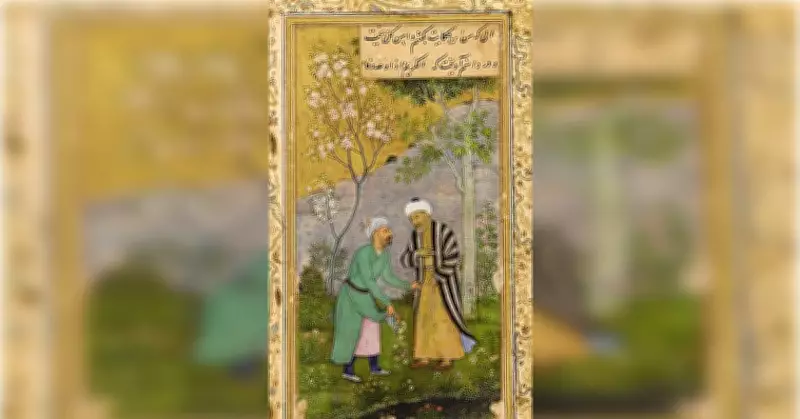
For centuries, the literary work Gulistan has captivated readers across vast regions, including the Middle East, East Africa, Central Asia, and South Asia. Its timeless wisdom and poetic elegance have ensured its place in the cultural heritage of these diverse areas.
A Masterpiece of Persian Literature
Written by the renowned Persian poet Saadi Shirazi in the 13th century, Gulistan (meaning "The Rose Garden") is a collection of stories, poems, and aphorisms that blend moral instruction with entertainment. The work is structured around themes such as justice, love, humility, and the transience of life, making it universally relevant.
Geographical and Cultural Reach
The influence of Gulistan extends far beyond its Persian origins. In the Middle East, it has been a staple of classical education. In East Africa, particularly among Swahili-speaking communities, translations and adaptations have preserved its teachings. Central Asian cultures have integrated its narratives into their own literary traditions, while in South Asia, Gulistan has been studied in madrasas and enjoyed by general readers for centuries.

Why It Endures
The enduring appeal of Gulistan lies in its ability to speak to fundamental human experiences. Saadi's use of simple yet profound language makes complex ideas accessible. His stories often feature ordinary people—kings, beggars, scholars, and fools—whose interactions reveal timeless truths about human nature.
Chandan Gowda, the Vidyashilp Professor, notes that Gulistan continues to offer new perspectives in an ever-changing world. "Its lessons on governance, ethics, and personal conduct remain strikingly relevant," he observes.
Legacy and Modern Relevance
Today, Gulistan is still widely read in its original Persian and in numerous translations. It has inspired writers, poets, and thinkers across cultures. Its proverbs, such as "A traveller without observation is a bird without wings," are frequently quoted in everyday conversation.
As globalization brings cultures closer, the cross-cultural appeal of Gulistan serves as a reminder of our shared humanity. Chandan Gowda's reflections highlight how this classic work continues to delight and instruct new generations of readers worldwide.