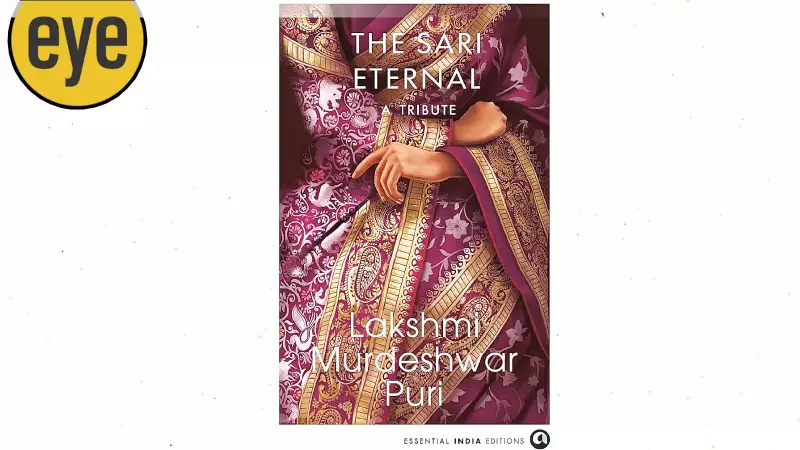
Lakshmi Puri's new book, The Sari Eternal, tells a captivating story of India through the lens of textiles, tradition, and womanhood. Puri uses her pen like a shuttle on a loom, weaving together the past, present, and future of Indian civilization. The book offers a personal narrative wrapped in the layered folds of lore, myth, and legend.
A Personal Journey Through Fabric
Puri shares memories of her childhood, recalling the safety and comfort found in the drape of her mother or grandmother's sari-clad lap. These experiences shaped her understanding of Indian culture. The book breaks into chapters that explore the sari's pivotal role in various contexts, from temple rituals to political statements.
Historical and Cultural Significance
From the Devi temple of Kamakhya in Assam to temples across India, deities like Parvati, Lakshmi, and Saraswati are dressed in temple saris. This practice celebrates strength, confidence, and nurturing compassion, often defined as Shakti and womanhood. Puri highlights how the sari endorses diverse identities, creating a formidable tapestry that represents India.

She mentions notable women like Indira Gandhi, who wore saris from different regions during state visits. This gesture honored local craftspeople and their age-old skills. Other icons such as Vijaya Raje Scindia, Sucheta Kripalani, and Sheila Dikshit also embraced the sari, preserving cultural traditions.
Influence on Bollywood and Fashion
Puri discusses Bollywood's homage to the sari, using it to express a range of emotions. From sensuality in rain-soaked scenes to the Hunterwali style for combat, the sari proves its versatility. Every actress on the Indian screen has revered this unstitched garment.
The book also covers the sari's impact on international fashion. Designers from Europe and America have adopted various drapes to enhance dresses and gowns. Even Elizabeth Taylor sported a turban-inspired headgear, showcasing global influence.
Future Generations and the Sari
Puri raises important questions about Gen Z and the sari's future. Will young women choose the sari over the little black dress or trouser suit? Can new generations revive weaving traditions and reinvent the sari for modern times? The book suggests that as long as the unstitched cloth is draped around the human body, it will endure.
Symbolism and Unity
The sari symbolizes freedom of spirit and unity in diversity. Colors and motifs serve as silent representations of societal truths. Red saris mark marriages, yellow heralds spring, and black is worn during Diwali. This directory of color and motif remains infinite, reflecting India's rich heritage.
Puri captures the essence of the sari, folding it into the ethos of India. Her book is a must-read for everyone, offering a personal tribute to Indian handicrafts and traditions. Through her eye and pen, she presents a story of India that resonates with readers across generations.