The Sacred Science of Evening Incense in Indian Tradition
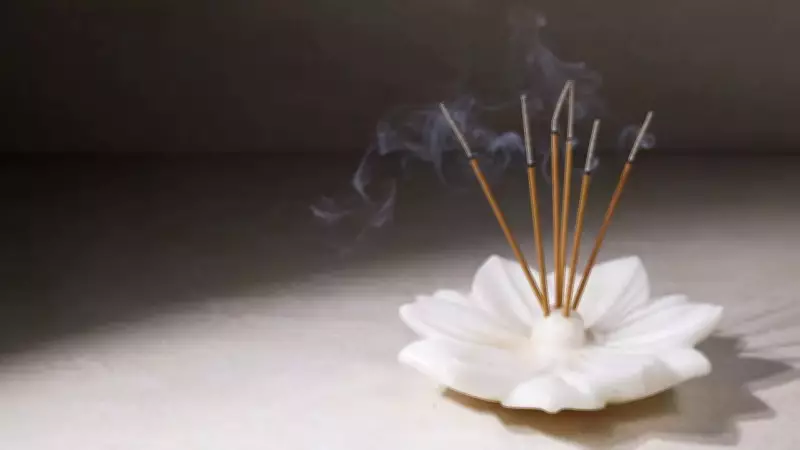
In countless traditional Indian households, the evening unfolds with a timeless ritual: the gentle glow of the arti lamp, followed by the lighting of fragrant incense sticks or dhoop, whose aromatic smoke is carefully wafted through every room. While many of us have grown up observing this daily practice as a simple cultural norm, few realize the profound scientific and spiritual significance it holds within Vedic traditions and astrological texts. This ancient custom is far more than a sensory experience; it is a deliberate act of environmental and energetic purification.
Why Burning Incense is a Cornerstone of Daily Worship
According to Hindu tradition and Vedic astrology, the act of burning dhoop or incense sticks during puja or arti serves a critical purpose: to cleanse the aura of the home and invite divine blessings and positivity. This age-old practice is deeply embedded in the principles of ancient Vastu Shastra. It is believed that this ritual purifies the home's energy, honors the deities, and aligns the living space with Vastu principles that actively attract peace, happiness, health, and familial harmony. The fragrant smoke is seen as a conduit for transformation, shifting the atmosphere from the mundane to the sacred.
Historical and Cultural Foundations of the Ritual
The history of burning and wafting incense during the Sandhya arti can be traced directly back to Vedic times. In those ancient ceremonies, fragrant smoke derived from natural resins, sacred herbs, flowers, and sandalwood was offered during holy Yajnas (fire sacrifices) to invoke divine presence and blessings. This sacred tradition has been meticulously passed down through generations. Today, in most Hindu households, this ritual is performed at dusk—a time known as Sandhya vela or evening puja. This timing is symbolic, marking the transition from day to night and is traditionally believed to ward off accumulating negative energies.

Furthermore, this evening practice fosters a powerful sense of unity and harmony within the family. It is considered most beneficial when performed collectively by family members during the arti and the lighting of the incense. This shared participation is thought to strengthen familial bonds and collectively attract divine grace into the home, making it more than an individual spiritual act but a communal one.
Vastu Shastra Benefits of the Evening Incense
Vastu Shastra provides a detailed architectural and energetic framework for this ritual. It holds that burning incense sticks and dhoop in the evening serves several key functions:
- Activates Positive Vibrations: The ritual is said to generate positive vibrations and neutralize stagnant or negative energy that accumulates throughout the day.
- Clears Vastu Defects: It helps in clearing doshas or Vastu defects within the home's structure and energy field.
- Balances the Five Elements: The rising smoke is believed to help balance the Pancha Mahabhutas—the five core elements of earth, water, fire, air, and space (akasha).
This balancing act is particularly focused on enhancing the energy of the Northeast direction (Ishaan Kon), considered the most sacred zone of the home and the ideal location for the pooja area. Lighting incense in this direction is believed to be especially potent for attracting wealth and profound peace. The practice purifies the air, removes subtle negativity, and encourages a positive prana (life force) flow. When performed regularly, it is said to prevent financial hurdles and emotional discord, creating a stable and harmonious domestic environment grounded in ancient wisdom.