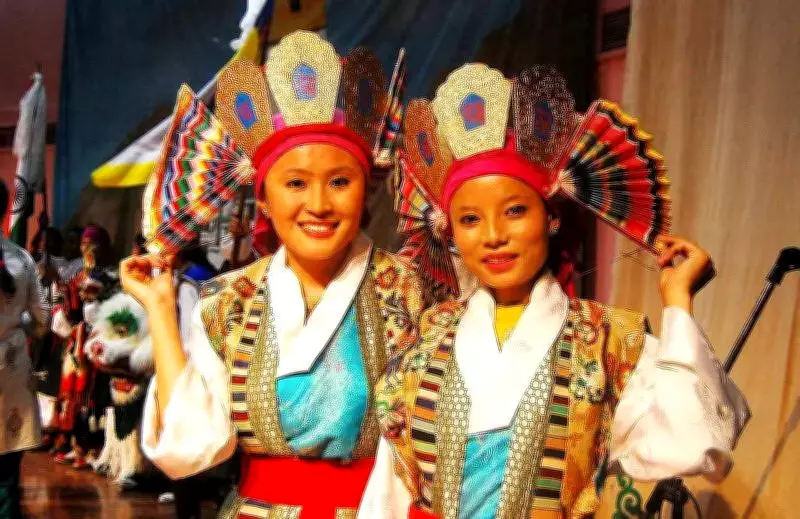
TIPA Makes Historic Move by Inducting 12 Monpa Students from Arunachal Pradesh
In a landmark decision that expands its cultural mandate, the Tibetan Institute of Performing Arts (TIPA) has formally inducted 12 Monpa students from Menchukha in Arunachal Pradesh. This initiative represents a significant evolution for TIPA, moving beyond its traditional focus on the Tibetan exile community to include culturally linked Himalayan populations within India.
Cultural and Political Significance of the Initiative
The admission of these students carries profound cultural and political implications for Arunachal Pradesh, a state that shares deep cultural and geographical ties with Tibet. This development occurs against the backdrop of China's territorial claims over Arunachal Pradesh, adding layers of significance to this cultural preservation effort.
Arunachal Pradesh Chief Minister Pema Khandu has expressed strong support for the initiative, describing it in an appreciation letter as "a meaningful step toward strengthening mutual understanding and safeguarding shared heritage." His endorsement underscores the importance of this cultural bridge-building effort.

Details of the Student Induction Program
The newly admitted group comprises six boys and six girls who will undergo intensive training in traditional Tibetan performing arts through a fully funded program. All students have committed to a comprehensive six-year training period that will immerse them in Tibetan cultural traditions.
The initiative traces its origins to February 2025, when a TIPA delegation visited Menchukha to participate in Losar (Tibetan New Year) celebrations. Following appeals from local leaders and community representatives, TIPA approved the admission of these 12 students after detailed deliberations during its 50th executive meeting.
Preserving Cultural Heritage in Border Regions
Dhondul Dorjee, Secretary of the Department of Religion and Culture for the Tibetan Government-in-Exile, emphasized the "urgency of safeguarding Tibetan religion, language, and performing traditions, particularly in exile and border regions where cultural dilution is an ongoing challenge."
Tenzin Phuntsok, TIPA's Artistic Director, explained that this initiative aims to not only support cultural preservation but also strengthen ties between Tibetan and Arunachal Pradesh communities. "We are creating cultural bridges that will benefit both communities for generations to come," he stated.
TIPA's Evolution and Historical Context
Founded in 1959 by the Dalai Lama shortly after his arrival in India, TIPA was originally conceived as a cultural sanctuary for Tibetans displaced by political upheaval. Based in Dharamshala, the institution has evolved into the premier organization dedicated to preserving Tibetan opera (Ache Lhamo), music, and dance traditions.
For TIPA, this new initiative signals a subtle but important evolution from preserving a past in exile to actively shaping a shared Himalayan cultural future. The institution remains one of the most visible cultural arms of the Tibetan exile community, working closely with the Central Tibetan Administration while expanding its cultural preservation efforts.
This groundbreaking program represents a strategic expansion of TIPA's mission, acknowledging the interconnected cultural heritage of Himalayan communities while addressing the pressing need to preserve traditional arts in border regions facing cultural dilution challenges.