Ugadi 2026: Welcoming the Hindu New Year with Tradition and Hope
The festival of Ugadi, celebrated on March 19, 2026, heralds the dawn of a new year for communities in Andhra Pradesh, Telangana, and parts of Karnataka. Rooted in the Hindu calendar, which harmoniously blends lunar and solar cycles, Ugadi commences with the month of Chaitra, symbolizing a fresh start in the cosmic timeline. The term "Ugadi" itself derives from "Yuga" (age) and "Adi" (beginning), encapsulating the essence of renewal and optimism that defines this auspicious occasion.
The Spiritual and Cultural Significance of Ugadi
Ugadi is more than just a calendar event; it is a profound spiritual journey that emphasizes family bonds, divine blessings, and personal reflection. Believers hold that performing specific rituals on this day can attract happiness, wealth, and success throughout the coming year. This festival serves as a heartfelt greeting to the new year, encouraging individuals to embrace life's cycles with grace and resilience.
For generations, families have upheld Ugadi traditions to invoke prosperity and good fortune, creating a tapestry of customs that blend devotion with daily life.

Key Ugadi Rituals and Their Meanings
Abhyanga Snanam (Ritual Oil Bath): A cornerstone of Ugadi preparations, this involves applying sesame oil to the hair and skin before bathing. Practitioners believe this ritual purifies the body and mind, offering physical well-being and mental fortitude for the challenges ahead. After the bath, donning clean clothes symbolizes a symbolic rebirth and readiness for new beginnings.
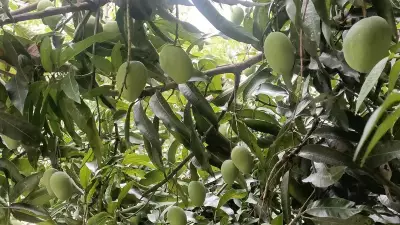
Decorating with Mango Leaves: Homes are adorned with torans (decorative hangings) made from mango leaves at entrances. In Hindu tradition, mango leaves are considered sacred, believed to usher in good luck and abundance. The vibrant green hue represents vitality, growth, and a prayer for divine blessings to grace the household.
Ugadi Pachadi: The Flavor of Life: This iconic dish is a culinary metaphor for life's diverse experiences. Prepared with six key ingredients—jaggery (sweet), tamarind (sour), raw mango (tangy), chili (spicy), salt (salty), and neem flowers (bitter)—it mirrors the spectrum of human emotions. Ugadi Pachadi teaches acceptance and resilience, reminding celebrants to welcome all aspects of the upcoming year with equanimity.
Worship and Prayers: On Ugadi, homes are meticulously cleaned and prayer spaces embellished with flowers, rangoli, and lamps. Devotees offer prayers to deities like Lord Vishnu and Goddess Lakshmi, seeking health, prosperity, and success. Offerings of sweets, fruits, and oil lamps accompany these devotions, with many visiting temples across Karnataka, Andhra Pradesh, and Telangana to participate in communal worship.
Panchanga Sravanam (Calendar Reading): This solemn ceremony involves priests or scholars reading the Panchangam, the Hindu almanac, to forecast the year ahead. Insights cover economic trends, agricultural prospects, and societal shifts, guided by astrological influences. Families gather at temples or community events to listen, gaining guidance on planning their activities in alignment with celestial movements.
Preparations and Community Engagement
Home Cleaning and Decoration: Prior to Ugadi, thorough cleaning is undertaken to dispel negative energy and invite positivity. Intricate rangoli or muggulu designs, crafted with colored powders or rice flour, adorn home entrances. These patterns symbolize joy, hospitality, and a wish for domestic harmony.
Charity and Feasting: Acts of generosity are integral to Ugadi, with many families donating food, clothing, or money to the less fortunate, believing it brings merit and luck. The celebration culminates in festive meals shared with loved ones, featuring traditional delicacies such as:
- Bobbatlu or Holige (sweet flatbread)
- Payasam (sweet pudding)
- Pulihora (tamarind rice)
These gatherings reinforce social bonds and cultural heritage.

Planning for the Future
Ugadi is also a time for introspection and forward-thinking. Considered an auspicious day, it is ideal for initiating new ventures, making resolutions, or scheduling significant events. Many engage in spiritual practices like chanting, reading religious texts, or meditation to align themselves with the year's positive energies, setting intentions for growth and fulfillment.
In essence, Ugadi 2026 embodies a holistic celebration of renewal, blending ancient rituals with contemporary aspirations to foster hope and unity among its observers.