Ugadi 2026 Preparations Underway with Panchanga Sravanam Tradition
Communities across Karnataka, Andhra Pradesh, and Telangana are actively preparing for Ugadi 2026, marking the Telugu and Kannada New Year with the significant ritual of Panchanga Sravanam. This centuries-old practice combines spiritual guidance, astrological forecasting, and cultural wisdom, providing participants with valuable insights into the coming year through the detailed examination of the Hindu calendar.
Understanding the Panchanga Sravanam Ritual
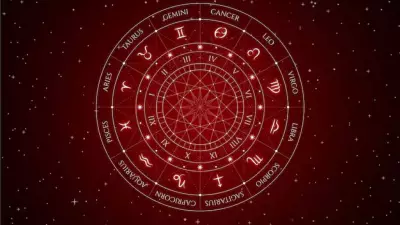
The term "Panchanga Sravanam" specifically refers to the ceremonial reading of the Panchangam, the traditional Hindu almanac, on Ugadi day. Derived from Sanskrit, "Panchanga" translates to "five parts" or "five limbs," representing the fundamental components that structure the calendar system. These five essential elements include Tithi (lunar day), Vara (weekday), Nakshatra (star constellation), Yoga, and Karana.
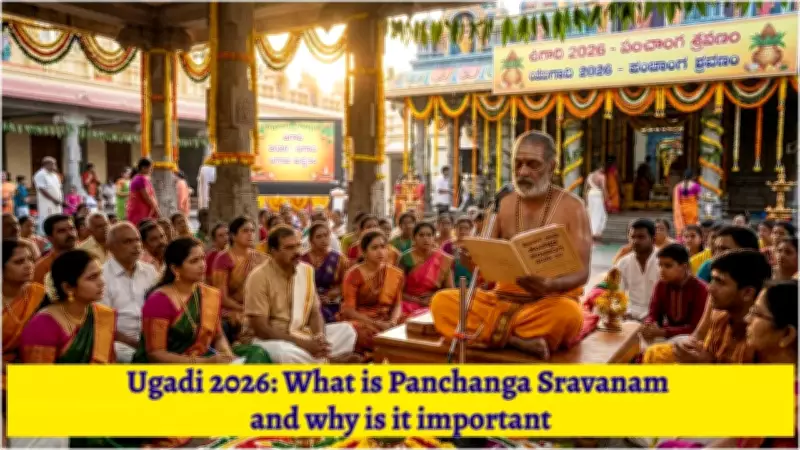
Historically, priests or knowledgeable scholars would conduct Panchanga Sravanam readings in temple settings or community gatherings. In contemporary practice, while many families continue this tradition within their homes, the ritual has evolved to incorporate modern mediums. Participants now listen to astrological experts explain how planetary movements and celestial alignments might influence various aspects of daily life, relationships, and broader societal trends.

The Multifaceted Significance of Panchanga Sravanam
Panchanga Sravanam holds profound importance for observing communities, serving both spiritual and practical purposes throughout the year.
1. Predictive Guidance for the Year Ahead
The Panchangam provides comprehensive forecasts covering diverse areas including weather patterns, agricultural prospects, economic conditions, political developments, and social dynamics. Additionally, it offers zodiac-specific predictions that help individuals prepare for potential opportunities and challenges, enabling proactive planning and mindful awareness.
2. Cultural and Spiritual Foundation
Ugadi represents more than just a calendar transition; it symbolizes renewal, hope, and fresh beginnings. Practitioners believe that engaging with Panchanga Sravanam purifies the mind, aligns individuals with cosmic rhythms, and fosters positive outlooks while strengthening spiritual faith and cultural identity.
3. Practical Application in Daily Life
The almanac serves as an essential reference for scheduling important life events and activities. Families frequently consult its guidance when planning weddings, housewarming ceremonies, business inaugurations, and other significant undertakings, ensuring auspicious timing according to traditional principles.
4. Community Bonding and Social Cohesion
Panchanga Sravanam functions as a communal activity that brings people together in temples, public venues, and digital spaces. This shared experience transforms the New Year observance into both a spiritual occasion and social gathering, reinforcing community ties and intergenerational connections.
Preserving Tradition for Ugadi 2026 Celebrations
Despite societal changes and technological advancements, Panchanga Sravanam maintains its relevance and continues to adapt. While the core purpose remains unchanged, accessibility has expanded through temple ceremonies, television broadcasts, and online platforms that reach wider audiences.
Families celebrating Ugadi in 2026 will incorporate traditional elements like preparing and consuming Ugadi Pachadi, a symbolic dish representing life's varied flavors—sweet, sour, salty, bitter, and pungent. This culinary tradition complements the spiritual insights gained through Panchanga Sravanam, creating a holistic New Year experience.
As communities embrace Ugadi 2026, Panchanga Sravanam will continue to remind participants to approach the new year with balanced perspective, hopeful anticipation, and conscious awareness of both cosmic influences and practical realities.