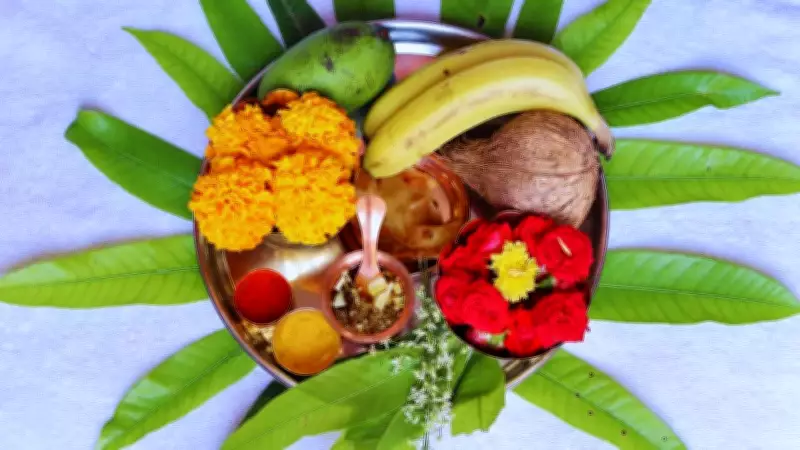
Ugadi 2026: Embracing the Dawn of a New Era in South India
Ugadi, the annual festival heralding the traditional New Year, is a vibrant celebration deeply rooted in the cultural fabric of South Indian states including Andhra Pradesh, Telangana, and Karnataka. Observed on the first day of the Chaitra month according to the Hindu lunisolar calendar, this festival symbolizes fresh hopes, prosperity, and the commencement of a new age. The term "Ugadi" itself derives from "Yuga" meaning age and "Adi" meaning beginning, collectively signifying "the start of a new era." In 2026, Ugadi will be celebrated with a series of traditional rituals designed to purify the mind, body, and home, while inviting fortune and success for the upcoming year.
Essential Ugadi Rituals for a Prosperous New Year
Each ritual performed during Ugadi carries profound spiritual and cultural significance, from early morning prayers to the symbolic consumption of festive dishes. Below are some of the most important traditions observed during this auspicious occasion.
Abhyanga Snanam: The Purifying Oil Bath
One of the primary and initial rituals on Ugadi morning is the Abhyanga Snanam, or oil bath. Devotees wake up before sunrise to apply sesame or herbal oil to their bodies before taking a bath. This practice is believed to cleanse and purify both the body and mind, preparing individuals for the new year with discipline and cleanliness. According to Hindu beliefs, starting the day in such a manner attracts prosperity. Following the bath, it is customary to wear new clothes, further emphasizing renewal and freshness.

Home Cleaning and Decoration
After the oil bath, homes are thoroughly cleaned and decorated to welcome the new year. Doorways are adorned with fresh mango leaf torans, which are thought to attract good luck and dispel negative energy. Additionally, beautiful rangolis, known as Muggulu in Telugu, are drawn outside homes. These intricate designs symbolize abundance and invite prosperity. The underlying belief is that a clean and welcoming home draws positive energy and good fortune, setting a harmonious tone for the year ahead.
Offering Prayers for Blessings
Ugadi is considered an extremely auspicious day to seek divine blessings for the coming year. Many devotees offer prayers to Lord Vishnu, revered as the preserver and protector in Hindu mythology. It is believed that Lord Brahma initiated the creation of the universe on this very day, linking Ugadi to cosmic beginnings and creation. People visit temples, perform pujas at home, and present offerings such as flowers and fruits to pray for prosperity, success, and health.
Panchanga Sravanam: Listening to the Almanac
Another significant Ugadi tradition is Panchanga Sravanam, the ceremonial reading of the Hindu almanac for the new year. Priests or elders recite predictions related to various aspects including agriculture, rainfall, planetary movements, economic trends, and individual forecasts. The Panchanga provides valuable insights into auspicious days and major events anticipated in the coming year, guiding devotees in their planning and decisions.
Ugadi Pachadi: The Symbolic Dish
No Ugadi celebration is complete without the iconic Ugadi Pachadi, a special chutney-like dish made with six distinct ingredients, each representing a different taste and emotion. The ingredients include:
- Neem flowers – bitterness, symbolizing life's challenges
- Jaggery – sweetness, representing joy and success
- Tamarind – sourness, denoting surprises
- Raw mango – tanginess, reflecting new experiences
- Salt – balance
- Green chilli – heat, indicating anger or intensity
This dish embodies the myriad emotions of life, such as happiness, anger, sadness, and excitement. Consuming Ugadi Pachadi serves as a poignant reminder to accept every experience in the coming year with grace and resilience.
Charity and Food Sharing
Ugadi is also recognized as a day of charity, where families donate food, clothing, or money to those in need. Temples and community groups frequently organize charity meals, and acts of kindness on this day are believed to amplify blessings and bring prosperity. This tradition underscores the importance of compassion and generosity in fostering communal harmony.

Family Gatherings and Traditional Meals
Ugadi emphasizes family unity, with loved ones coming together for elaborate meals featuring traditional dishes. Popular culinary delights include pulihora (tamarind rice), bobbatlu (sweet flatbread), and mango-based curries. Sharing food strengthens family bonds and reinforces the spirit of togetherness that defines the festival.
The Deeper Meaning of Ugadi
Ugadi transcends being merely an annual festival; it is a powerful reminder to embrace change and welcome new opportunities. Through rituals like the oil bath, prayers, charity, and family gatherings, the festival encourages individuals to begin the year with positivity and gratitude. As families across South India celebrate Ugadi 2026, these timeless traditions will once again reinforce the enduring belief that every new year offers a fresh chance to grow, prosper, and live in harmony.