

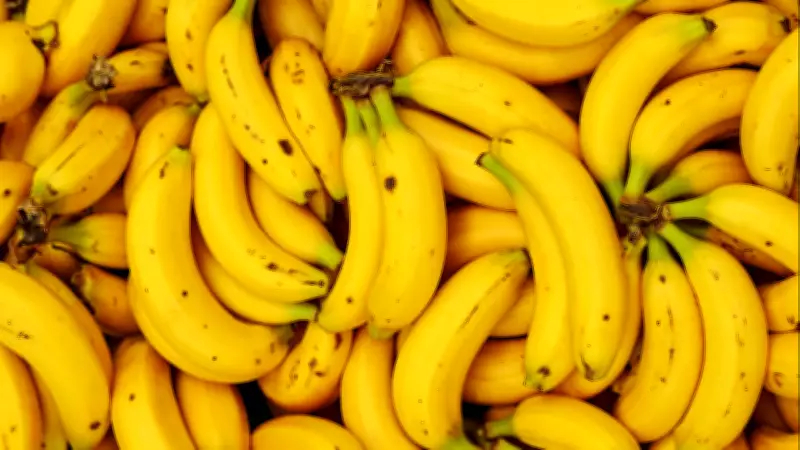
Keep Bananas Fresh for Weeks: Simple Storage Hacks to Prevent Overnight Blackening
Bananas bring a burst of sweetness and convenience to any kitchen, perfect for quick snacks or smoothie recipes. However, their tendency to turn mushy or blacken overnight can be frustrating, especially when a fresh batch spoils before you can enjoy it. This rapid deterioration occurs because bananas produce ethylene gas, which accelerates ripening in themselves and nearby fruits. Fortunately, with a few straightforward adjustments to your daily routine, you can prevent bananas from going bad quickly, preserving their golden goodness for weeks on end.
Simple Ways to Stop Bananas from Turning Black Quickly
Implement these practical techniques to slow down the ripening process and maintain banana freshness:
- Separate the Bananas: Upon bringing them home, detach each banana from the bunch instead of keeping them clustered together. This action reduces the concentration of ethylene gas around individual fruits, significantly slowing the ripening process.
- Wrap the Stems: Cover the top stem area of each banana with cling film or aluminium foil. This method traps the ethylene gas emitted from the stems, preventing it from spreading and hastening ripening.
- Hang Them Instead of Using a Bowl: If possible, use a hook to hang bananas. This improves air circulation around the fruit and minimizes bruising, which can lead to faster spoilage.
- Keep Them in a Cool Place: Store bananas at room temperature, away from direct sunlight and heat sources such as stoves or windows. Excessive warmth accelerates ethylene production and ripening.
Easy Methods to Prevent Bananas from Turning Black
For cut bananas or specific storage scenarios, these additional tips can help maintain freshness:

- Use Lemon Juice for Cut Bananas: If you slice bananas for recipes or snacks, apply lemon juice to the exposed surfaces. The citric acid acts as a natural antioxidant, preventing browning and oxidation.
- Refrigerate at the Right Time: Place bananas in the refrigerator once they reach a fully yellow stage. While the skin may darken, the fruit inside will remain fresh and edible for an extended period.
- Avoid Other Fruits: Keep bananas separate from ethylene-producing fruits like apples and tomatoes. Storing them apart reduces gas exposure and slows ripening.
What to Do with Extra or Overripe Bananas
If bananas become overripe despite your efforts, do not discard them. Instead, repurpose them creatively:
- Freeze Them: Peel, slice, and freeze bananas in airtight containers or bags. Frozen bananas are ideal for later use in smoothies, baking, or as a healthy frozen treat.
- Use Them in Recipes: Overripe bananas are perfect for baking, as their sweetness and soft texture enhance dishes like banana bread, pancakes, muffins, and cakes.
Why These Tips Work
Bananas continue to ripen after being harvested due to biological processes involving ethylene gas. Factors such as heat, moisture, and gas concentration speed up this natural ripening. By minimizing these elements through proper storage techniques, you can extend banana freshness for up to two to three weeks, reducing waste and saving money.
Everyday Tips to Remember
Incorporate these habits into your routine for consistently fresh bananas:
- Purchase bananas with slightly green tips to ensure a longer shelf life.
- Consume the ripest bananas first to prevent spoilage.
- Store them in a cool, dry place with good air circulation.
- Check bananas daily to monitor ripeness and adjust storage as needed.
With these simple yet effective strategies, you can enjoy fresh, delicious bananas without the worry of overnight blackening, making your kitchen experience more enjoyable and sustainable.

