Chef Kunal Kapoor has once again stirred the long-standing culinary debate over the origin of the beloved Indian sweet, rasgulla. In a recent social media post, the acclaimed chef questioned West Bengal's claim to the dessert and presented historical evidence supporting Odisha's assertion. The post has triggered a flurry of reactions from food enthusiasts and historians alike.
The Historical Context
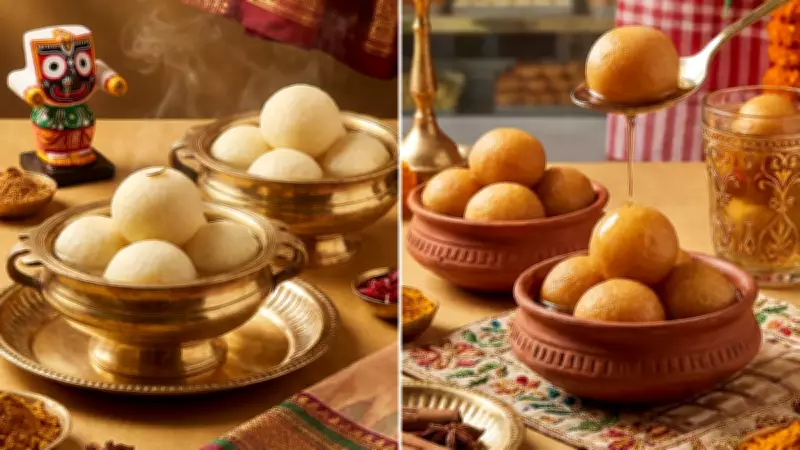
The rasgulla, a spongy, syrup-soaked cheese dumpling, is a staple at festivals and celebrations across India. However, its exact birthplace has been a subject of contention between Odisha and West Bengal for decades. Odisha argues that the sweet has been part of its culinary tradition for centuries, with references in ancient texts and local rituals. West Bengal, on the other hand, credits its creation to 19th-century confectioner Nobin Chandra Das.
Odisha's Claim
Odisha's proponents point to the Jagannath Temple in Puri, where rasgulla is offered as bhog to the deity. They cite historical records and temple rituals that predate Bengal's claim. Additionally, the Odisha government has even sought a Geographical Indication (GI) tag for the sweet, emphasizing its unique preparation method using chenna (fresh cheese) from local milk.

West Bengal's Stand
West Bengal maintains that the modern rasgulla was invented by Nobin Chandra Das in 1868 in Kolkata. The state successfully secured a GI tag for 'Banglar Rasogolla' in 2017, distinguishing it from other variants. Bengalis argue that the sweet gained popularity through their confectioners and is integral to Bengali culture, often served at weddings and Durga Puja.
Chef Kapoor's Intervention
Chef Kunal Kapoor, known for his culinary expertise and food history insights, weighed in on the debate. He shared an image of an ancient Odia scripture that mentions a sweet resembling rasgulla, suggesting its presence in Odisha long before Bengal's version. "The evidence is clear: Odisha has a stronger historical claim," he wrote. His post quickly went viral, drawing both support and criticism.
Many users agreed with the chef, citing temple traditions and linguistic roots. Others defended Bengal's contribution, arguing that the GI tag validates their claim. Some called for a unified celebration of the sweet without regional rivalry.
Cultural Significance
Beyond the origin dispute, rasgulla remains a symbol of India's diverse culinary heritage. Whether enjoyed in Odisha as pahala rasagola or in Bengal as rossogolla, the sweet continues to unite people in their love for desserts. The debate, while spirited, underscores the importance of preserving and respecting local food traditions.
As the conversation unfolds, one thing is certain: rasgulla's legacy is as rich and layered as its taste. Food lovers across the country will continue to savor this iconic sweet, regardless of its disputed birthplace.