

Many of the foods we now consider iconic were not created in moments of abundance but in periods of shortage. Across continents, economic hardship, war, migration, and harsh climates forced communities to cook with what they had, not what they wanted. Limited ingredients demanded creativity. Preservation techniques became tradition. Leftovers turned into staples. Over time, these practical solutions moved beyond survival and entered everyday culture. What began as frugal cooking slowly evolved into dishes celebrated in restaurants and homes around the world. These eight foods are reminders that constraint often sparks innovation and that necessity has shaped global cuisine more than luxury ever did.
Ramen
Few dishes have travelled as far as ramen. Originating as an inexpensive noodle soup for working-class communities in early twentieth-century Japan, it became especially vital in the years following World War II. Severe rice shortages and an influx of American wheat reshaped eating habits, making wheat noodles more accessible and affordable. Street stalls selling ramen multiplied in cities struggling to rebuild, offering a filling, low-cost meal that could sustain long workdays. Ramen's brilliance lies in its efficiency. Broth stretched with bones and scraps, noodles made from simple flour and water, modest toppings added for flavour rather than excess. It delivered warmth, salt, and sustenance in one bowl. Today it may be refined and regional, but its foundation remains practical nourishment elevated by craft.
French Toast
Before it became brunch's golden child, French toast was a rescue act. Stale bread, too hard to chew, too precious to discard, was soaked in milk and eggs to soften and revive it. In France it is called pain perdu, 'lost bread', because it saves what would otherwise be wasted. In times when food waste was unthinkable, this dish was quiet brilliance. Eggs and milk enriched the bread, transforming leftovers into something custardy and comforting. Cinnamon and sugar were luxuries; the original intention was simple survival. The sweetness came later. The practicality came first.

Khichdi
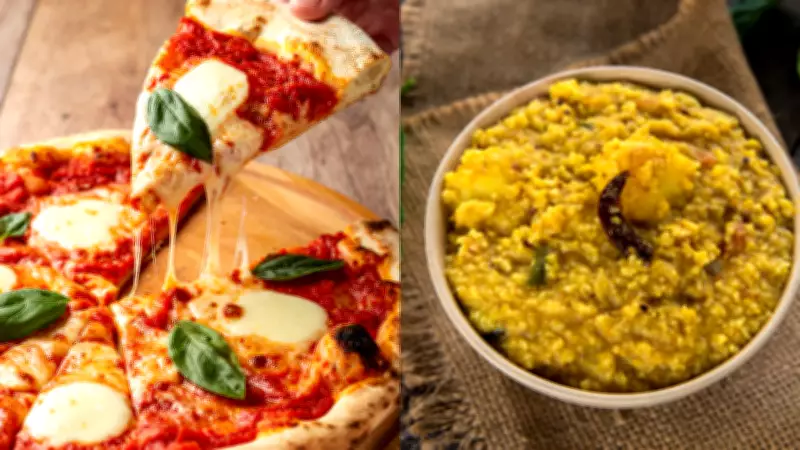
In Indian kitchens, khichdi has long stood for quiet, dependable nourishment. At its simplest, rice and lentils are simmered together with turmeric and salt, sometimes finished with a spoon of ghee. The ingredients are inexpensive, widely available, and deeply sustaining. In periods of illness, economic strain, or limited supplies, khichdi offered a meal that was gentle on the body and reliable on the table. Its strength lies in both science and simplicity. Combining grains and legumes improves protein quality, making a modest quantity nutritionally complete. Cooking everything in a single pot reduces fuel, time, and waste. What is now considered comfort food is, at its core, a carefully evolved system of practical, efficient nourishment refined over generations.
Fondue
Today, fondue suggests celebration, but its origins lie in rural Switzerland, where long winters limited access to fresh food. Alpine families depended on durable staples such as aged cheese and stale bread that could withstand months of storage. When those ingredients hardened, they were not discarded. They were revived. Gently melting cheese with wine restored texture and flavor, while cubes of old bread became the ideal vehicle for a shared meal. Cooking and eating from a single pot conserved fuel and kept everyone close to the heat. Fondue was not designed for spectacle. It was a practical solution to seasonality, one that transformed preserved ingredients into something sustaining, efficient, and deeply satisfying.
Margherita Pizza
Pizza in Naples began as a practical street food for labourers and the urban poor, built on flatbread that was inexpensive and easy to prepare. Tomatoes, once mistrusted in parts of Europe, grew abundantly in southern Italy and became a low-cost staple. A modest layer of tomato, a small amount of mozzarella, and a few basil leaves created a meal that was affordable, portable, and satisfying enough to sustain long working days. The Margherita combination later gained symbolic meaning through the colours of the Italian flag, but its foundation was an economic reality. It was designed to be accessible and filling, proving that simplicity and necessity often shape the world's most enduring dishes.

Bread Pudding
Bread pudding emerged from a similar instinct to conserve. Across Europe, households avoided wasting stale bread by soaking it in milk and eggs, then baking it until soft and cohesive. Sugar or dried fruit were added when available, but the structure of the dish depended on leftovers. It turned scraps into sustenance and, occasionally, into something that felt indulgent. Its endurance reflects a broader culinary principle: resourcefulness can create comfort without extravagance.
Pozole
Pozole in Mexico centres on hominy, dried corn treated through nixtamalization to enhance its nutritional value and digestibility. Corn has long been foundational to Mesoamerican diets, making it both accessible and essential. Meat, when included, was used carefully and extended through broth, herbs, and garnish. Pozole balanced ritual significance with practical nourishment, serving communities during gatherings while relying on staple ingredients that sustained daily life.
Goulash
Hungarian goulash began as a practical meal prepared by cattle herders who spent long days outdoors. Cooked in large kettles over open fires, it relied on affordable ingredients that could withstand travel and time. Paprika, which became widely cultivated and inexpensive in Hungary, provided both colour and preservation. Tough cuts of meat were slowly simmered with onions and water, transforming economical ingredients into a filling stew that could feed many. What is now regarded as a national symbol started as a durable, transportable solution to rural life.
