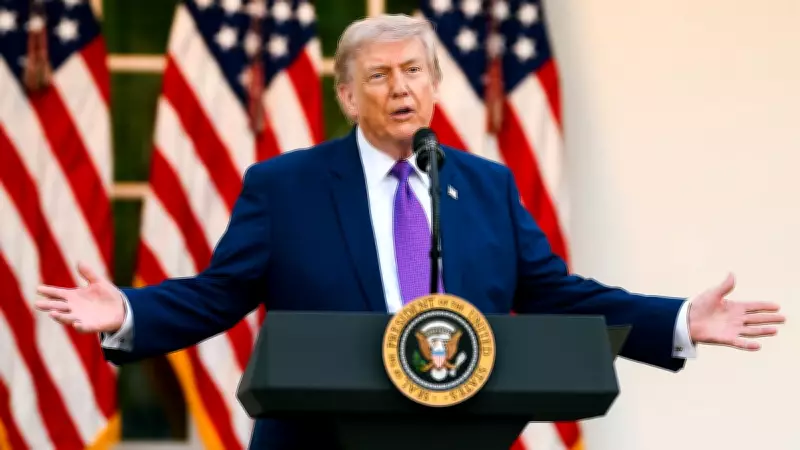
In a significant diplomatic push, former US President Donald Trump has propelled Islamic nations to join the Abraham Accords, signaling a potential new order in West Asia. During a conference call with leaders from several Arab and Muslim majority countries, Trump outlined a new paradigm in ongoing peace efforts: if the Iran nuclear deal reaches fruition, other nations must also recognize Israel and sign the Abraham Accords.
Details of the Call
The conference call, which took place on 25 May 2026, involved key leaders from across the region. Trump emphasized that the normalization of relations with Israel is a crucial step toward stability and prosperity in West Asia. He argued that the Abraham Accords, which have already seen success with countries like the United Arab Emirates, Bahrain, Morocco, and Sudan, should be expanded to include more Islamic nations.
Implications for the Iran Deal
The call comes amid renewed efforts to revive the Iran nuclear deal, formally known as the Joint Comprehensive Plan of Action (JCPOA). Trump's proposal links the success of the Iran deal to broader regional recognition of Israel. This approach aims to create a unified front against common threats and foster economic cooperation.

According to sources, Trump stressed that the current administration's negotiations with Iran should not proceed without parallel commitments from other nations to normalize ties with Israel. This strategy seeks to prevent Iran from gaining economic relief without reciprocal steps toward peace.
Reactions from Leaders
Several leaders on the call expressed cautious interest, though no immediate commitments were made. Saudi Arabia, which has historically conditioned normalization on a two-state solution for Palestinians, indicated willingness to explore the proposal. Other nations, including Oman and Qatar, also participated in the discussion.
Critics argue that linking the Iran deal to the Abraham Accords could complicate already fragile negotiations. However, supporters believe it provides a comprehensive framework for regional security.
Historical Context
The Abraham Accords, brokered by the Trump administration in 2020, marked a historic shift in Middle East diplomacy. They established diplomatic relations between Israel and several Arab states, breaking decades of isolation. Expanding these accords has been a priority for Trump, who sees them as a cornerstone of his foreign policy legacy.
The call also touched on issues of mutual concern, including counterterrorism, trade, and technological innovation. Leaders discussed potential economic collaborations that could benefit from normalized relations.
Looking Ahead
As the Iran deal negotiations continue, Trump's intervention adds a new dimension to the diplomatic landscape. Whether other Islamic nations will follow his urging remains to be seen, but the call has reignited discussions about a broader realignment in West Asia.
Observers note that any expansion of the Abraham Accords would require careful handling of Palestinian concerns. The Palestinian Authority has opposed normalization without a resolution to their statehood claims. Nonetheless, Trump's push reflects a vision of a more integrated and peaceful region.