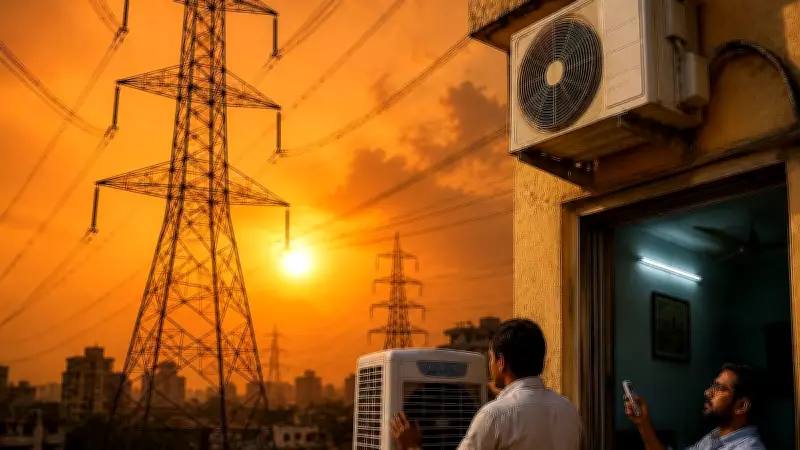
India's peak power demand has crossed the 260 GW mark for the first time in history, as a severe heatwave continues to grip large parts of the country. The milestone was reached on Tuesday, according to data from the Union Ministry of Power, as temperatures soared above 45 degrees Celsius in several regions, driving up electricity consumption for cooling and other needs.
Record-Breaking Demand
The previous record of 250 GW was set earlier this month, but the ongoing heatwave has pushed demand to new heights. The power ministry has been closely monitoring the situation and coordinating with state governments to ensure adequate supply. Despite the surge, the grid has remained stable, thanks to proactive measures such as increased coal production, gas-based power generation, and renewable energy contributions.
Impact of Heatwave
The intense heatwave has affected millions across northern, central, and eastern India. Cities like Delhi, Jaipur, and Lucknow have recorded temperatures above 45°C, leading to heat-related illnesses and increased energy consumption. The India Meteorological Department has issued red alerts for several states, warning of severe heat conditions for the next few days.

The power demand is expected to remain high as the heatwave persists. The ministry has advised states to ensure uninterrupted power supply to critical facilities such as hospitals and water supply systems. Additionally, steps are being taken to minimize outages and manage load shedding in vulnerable areas.
Government Response
The Union Ministry of Power has been in constant touch with state authorities to manage the situation. Measures include maximizing coal-fired power generation, importing coal where necessary, and optimizing hydro and renewable energy sources. The ministry has also urged consumers to use electricity judiciously during peak hours to ease the burden on the grid.
This record demand highlights the growing need for infrastructure upgrades and energy efficiency measures as India's economy expands and climate change leads to more frequent extreme weather events.