US Museum to Return Three Sacred Bronze Sculptures to India After Provenance Investigation
The Smithsonian's National Museum of Asian Art has announced a significant decision to return three sacred bronze sculptures to India. This action follows extensive provenance research that documented these artifacts were illegally removed from temple settings in Tamil Nadu decades ago.
Details of the Sacred Sculptures
The three bronze sculptures include:
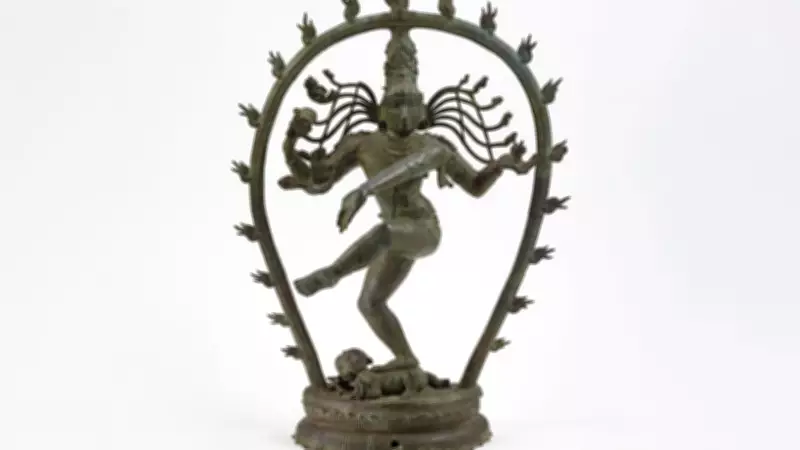
- Shiva Nataraja (Chola period, 10th century)
- Somaskanda (Chola period, 12th century)
- Saint Sundarar with Paravai (Vijayanagar period, 16th century)
These artifacts were among the sacred idols traditionally carried in temple processions, holding deep religious and cultural significance for communities in Tamil Nadu.

Rigorous Provenance Research Uncovers Illegal Removal
The museum undertook a detailed investigation as part of a systematic review of its South Asian collections. Researchers scrutinized each sculpture's transaction history with particular attention to their origins.
In 2023, collaborating with the Photo Archives of the French Institute of Pondicherry, museum researchers made a crucial discovery. They confirmed that the bronzes had been photographed in temples in Tamil Nadu between 1956 and 1959, providing concrete evidence of their original locations.
The Archaeological Survey of India (ASI) subsequently reviewed these findings and affirmed that the sculptures had been removed in violation of Indian laws, validating the museum's research conclusions.
Specific Temple Origins and Acquisition History
The research revealed specific details about each sculpture's history:
The Shiva Nataraja belonged to the Sri Bhava Aushadesvara Temple in Thiruthuraipoondi taluk, Thanjavur district, where it was photographed in 1957. The museum acquired this bronze sculpture from Doris Wiener Gallery in New York in 2002. Beyond photographic evidence, provenance researchers determined that the gallery had provided falsified documentation to facilitate the sale.
The Somaskanda and Saint Sundarar with Paravai sculptures entered the museum's collection as part of a gift of 1,000 objects from Arthur M Sackler in 1987. Research confirmed the Somaskanda was photographed at the Visvanatha Temple in Alattur village, Mannargudi taluk in 1959, while the Saint Sundarar with Paravai was documented at the Shiva Temple in Veerasolapuram village, Kallakurichi taluk in 1956.
Museum's Commitment to Ethical Practices
Chase F Robinson, the museum's director, emphasized the institution's dedication to responsible cultural heritage stewardship. "The National Museum of Asian Art is committed to stewarding cultural heritage responsibly and advancing transparency in our collection," Robinson stated. "The return of these sculptures, the result of rigorous research, shows our commitment to ethical museum practice."
Long-Term Loan Agreement
In a unique arrangement, the Ministry of Culture has agreed to place one sculpture on long-term loan to the museum. This will allow the institution to publicly share the complete story of the object's origins, removal, and return. The Shiva Nataraja, selected for this loan, will be displayed as part of the exhibition 'The Art of Knowing in South Asia, Southeast Asia, and the Himalayas.'
This arrangement underscores the museum's commitment to provenance research while ensuring the artifact's story reaches international audiences. The return represents a significant step in addressing historical cultural property issues and sets a precedent for ethical museum practices regarding artifacts with questionable provenance.