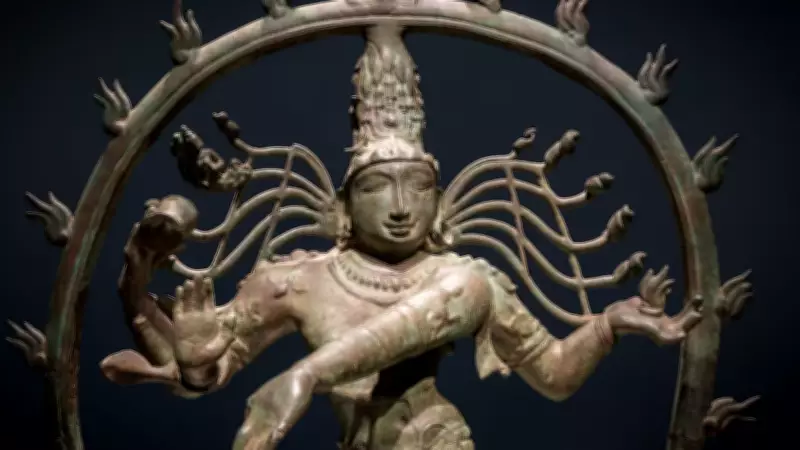
The United States is set to return three precious ancient bronze sculptures to India after conclusive research established their illegal removal from sacred temples in Tamil Nadu. This significant repatriation effort marks a crucial step in addressing historical cultural theft and restoring India's rich heritage.
Smithsonian Museum Confirms Illegal Removal
The Smithsonian's National Museum of Asian Art in Washington has officially confirmed that three ancient bronze sculptures in its collection were illegally taken from temples in Tamil Nadu during the 1950s. Museum officials stated that thorough research, including photographic evidence from the French Institute of Pondicherry, provided undeniable proof of the artifacts' illicit removal from their original locations.
Sacred Artifacts Identified
The three bronze sculptures include a 12th-century Somaskanda, a 16th-century Saint Sundarar With Paravai, and a Shiva Nataraja dating back to approximately AD 990. All three pieces represent sacred Hindu images that held religious significance in their original temple settings. The Shiva Nataraja has been specifically traced to the Sri Bhava Aushadesvara Temple in Tirutturaippundi Taluk, Tanjavur district.

Photographic Evidence Provides Crucial Proof
According to museum officials, old photographs from the French Institute of Pondicherry clearly show the statues inside Tamil Nadu temples during the 1950s. This "in situ" evidence is recognized under Indian law as definitive proof of theft. The museum's provenance team, in collaboration with the Photo Archives of the French Institute of Pondicherry, confirmed that the bronzes had been photographed in temples between 1956 and 1959.
Archaeological Survey of India Validates Findings
The Archaeological Survey of India thoroughly reviewed the research findings and affirmed that the sculptures had been removed in violation of Indian laws. The investigation confirmed that the bronzes were taken out of India without proper authorization before entering the international art market through questionable channels.
Museum's Ethical Commitment
Museum director Chase Robinson emphasized the institution's dedication to responsible cultural heritage stewardship. "The National Museum of Asian Art is committed to stewarding cultural heritage responsibly and advancing transparency in our collection," Robinson stated. He noted that the return of these sculptures, following rigorous research, reflects the museum's commitment to ethical practices.
Falsified Documentation Uncovered
Research revealed that documentation provided by the Doris Wiener Gallery in New York, which facilitated the museum's acquisition of the Shiva Nataraja in 2002, had been falsified. This discovery further strengthened the case for repatriation and highlighted the importance of thorough provenance research in museum collections.
Continued Display Through Loan Agreement
In a gesture of cultural cooperation, the Indian government has agreed to allow the Smithsonian museum to continue displaying the Shiva Nataraja on a long-term loan basis. This arrangement enables visitors to appreciate the artifact while acknowledging its proper ownership and cultural significance.
International Collaboration Facilitates Return
The successful identification and repatriation process involved collaboration between multiple international entities. The National Museum of Asian Art's dedicated provenance team worked closely with curators of South and Southeast Asian Art, supported by the Photo Archives of the French Institute of Pondicherry and numerous organizations and individuals worldwide.
The museum and the Embassy of India are currently finalizing arrangements to formalize the agreement and coordinate the physical return of the artifacts. This repatriation represents a significant achievement in international efforts to address historical cultural theft and restore stolen heritage to its rightful owners.