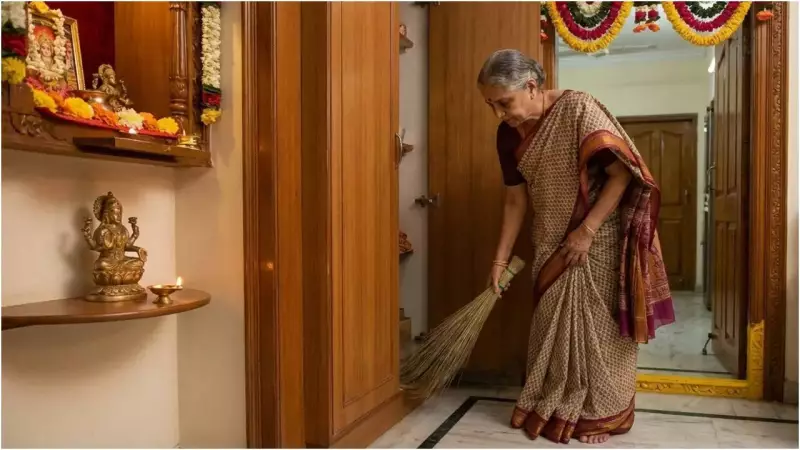
In countless Indian households, the broom is typically viewed as a mundane, everyday cleaning implement. However, within the profound framework of Vastu Shastra—the ancient Indian science of architecture and energy harmonization—this simple tool transcends its physical utility to embody deep spiritual and symbolic significance.
The Broom as a Symbol of Goddess Lakshmi
Vastu Shastra teaches that the broom is not merely an object for sweeping dust but a sacred representation of Goddess Lakshmi, the deity of wealth, prosperity, and abundance. Consequently, the manner in which a broom is handled, utilized, and stored within the home demands considerable attention and reverence.
Consequences of Disrespecting the Broom
According to Vastu practitioners, improper treatment or placement of a broom can obstruct the flow of positive energy, or prana, throughout the residence. This disruption is traditionally believed to invite monetary losses, unwarranted expenditures, and an influx of negative energies, potentially destabilizing the household's financial and spiritual well-being.

Sensitive Areas to Avoid
In many Indian families, elders consistently advise against leaving brooms in plain sight, especially near critical zones such as the main entrance, kitchen, or prayer area. These locations are considered highly sensitive in Vastu Shastra, as visible brooms in such sacred or prominent spots are thought to demonstrate disrespect toward Goddess Lakshmi, thereby jeopardizing the family's economic prosperity.
Optimal Placement and Storage Guidelines
Vastu principles provide specific directives for broom storage to maintain harmony. The south-western or north-western corners of a home are deemed most suitable for keeping brooms. Additionally, it is recommended to place the broom horizontally on the floor rather than storing it upright. This horizontal positioning is believed to promote stability and prevent the dissipation of beneficial energies.
Additional Best Practices
Concealing the broom and minimizing its visibility are also encouraged to preserve positive vibrations. Another widespread custom involves refraining from using a broom after sunset. Traditional wisdom suggests that sweeping during evening or night hours might symbolically sweep away wealth and good fortune, a belief rooted in cultural heritage rather than scientific evidence but still observed by numerous households.
Revival in Modern Holistic Living
With growing interest in holistic lifestyles and traditional wellness systems like Ayurveda and Yoga, Vastu practices concerning everyday items are experiencing a notable resurgence. While these beliefs are fundamentally spiritual and cultural, they underscore the Indian tradition of imbuing even the simplest household objects with profound meaning. By adhering to these Vastu guidelines, many individuals feel they can foster greater harmony, positivity, and financial stability within their domestic environments.