Sweden's Ancient Rune Stones: Viking Social Media That Speaks Across Millennia
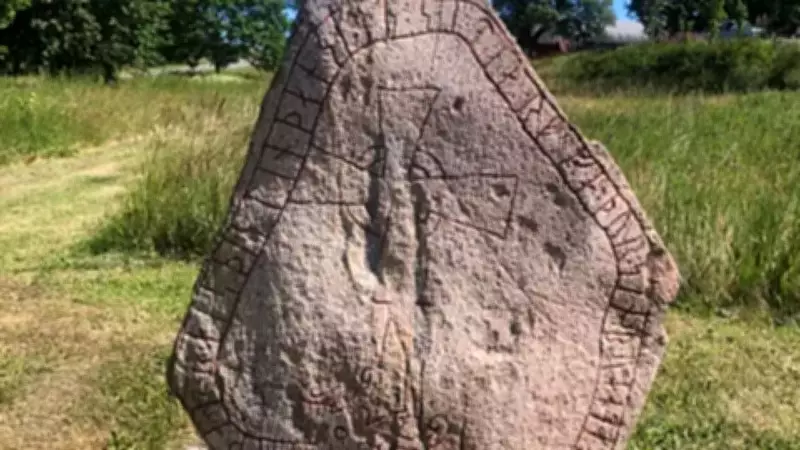
Scattered throughout the Swedish landscape, ancient rune stones stand as silent sentinels in fields, beside centuries-old churches, and along winding country roads. While many modern passersby might overlook these weathered monuments, they contain voices that have echoed for more than a thousand years. These remarkable stones preserve messages carved by Vikings that continue to speak powerfully about love, grief, pride, and the mundane realities of everyday existence.
New Discoveries Continue to Unearth Viking Voices
Archaeological experts report that new rune discoveries still occur with surprising frequency in contemporary Sweden. Farmers ploughing their fields and construction workers digging foundations occasionally uncover these ancient artifacts, suggesting these stones were never intended to fade into obscurity. Designed as public memorials meant to be seen and remembered, they function remarkably like ancient social media posts—personal messages carved with the explicit intention of lasting forever.
The emotional depth preserved in these carvings often surprises modern observers. At first glance, the grey stones with their sharp, angular lines might appear plain and unemotional. However, as documented by the BBC, one particularly poignant Viking-era message discovered on a textile tool near Gothenburg reads: “Do you think of me, I think of you, do you love me, I love you.” This intimate expression bears striking resemblance to modern text messages exchanged between romantic partners.

The Practical and Social Significance of Rune Stones
While Vikings carved runes on various materials including wood, bone, tools, and cloth, stone offered the most enduring medium. Most rune stones served as memorial markers, strategically placed near roads or communal gathering places where travelers would inevitably encounter them. Historical evidence suggests commissioning a rune stone represented a significant financial investment, indicating these monuments served dual purposes: honoring memory while simultaneously displaying wealth and social status.
Researchers believe runic writing originated approximately 2,000 years ago, possibly developing when Northern Europeans encountered Roman or Latin writing during their travels and adapted those concepts into their own distinctive alphabet. Early rune systems typically utilized about 24 letters, with rune stones becoming especially prevalent during the Viking Age between approximately 800 and 1050 AD. Today, experts estimate approximately 7,000 runic inscriptions exist worldwide.
Preserving Viking Life, Loss, and Legacy Through Stone
Families frequently raised rune stones to honor deceased loved ones, with inscriptions ranging from practical praise to emotional remembrance. One stone commemorates a wife as an excellent housekeeper and sister, while another memorializes a son who perished during a Viking raid. Some inscriptions even document betrayals or disputes over land inheritance, allowing modern readers to almost feel the raw emotions behind the carvings.
Not all rune stones served purely memorial purposes. One particularly ambitious Viking named Jarlabanke reportedly erected several stones praising himself during his lifetime, even using them to assert exclusive ownership claims over specific territories. Historians note that these inscriptions provide invaluable insights into daily Viking life beyond the warfare typically emphasized in historical accounts.
The Enduring Mystery of the Rök Stone Puzzle
The Rök rune stone in Sweden represents one of archaeology's most fascinating puzzles. Created during the 9th century, it contains the longest known runic text ever discovered. For decades, scholars interpreted its carvings as descriptions of heroic legends and ancient monarchs. More recent research suggests the text might reference a period of extreme cold triggered by volcanic eruptions centuries earlier. Some academics even propose the stone's carvings might align with celestial bodies during seasonal events, potentially making the monument both a message and a cosmic riddle.

Today, rune symbols enjoy renewed cultural relevance, appearing in contemporary art and online personality quizzes where people playfully discover their "birth runes." These ancient characters continue to bridge the millennium between Viking carvers and modern enthusiasts, proving that messages meant to endure truly can stand the test of time.