Viral Flight Rant Exposes India's Public Behavior Crisis: 'Should We Accept This?'
A Twitter user's angry post has exploded online, capturing nearly 8 million views. The viral rant has ignited a fierce conversation about public conduct and mounting irritation with everyday civic problems in India.
The Incident on the IndiGo Flight
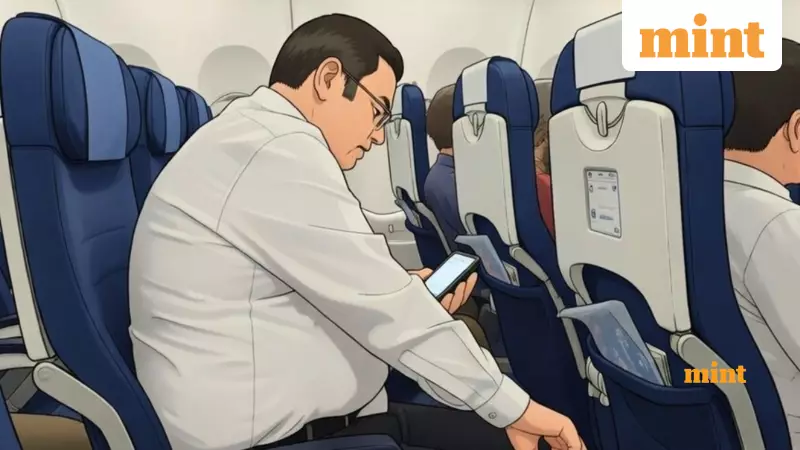
The episode apparently occurred on an IndiGo aircraft. According to the social media user, a middle-aged man watched videos on his mobile phone at maximum volume. The user referred to him as a "fat uncle." The loud noise bothered nearby travelers, yet nobody complained.
Even the flight attendants, who walked past multiple times and distributed meals, took no action. The original poster admitted he normally would have spoken up. Instead, he decided to watch the scene unfold quietly.

This collective silence prompted deeper reflection. The user questioned whether ignoring such rude behavior has become standard practice in Indian society.
Important Note: This report relies on user-generated social media content. The claims have not been independently verified.A Broader Social Critique
The post adopted a deeply pessimistic tone. It listed wider concerns troubling the user:
- Lack of basic public manners
- Garbage littering shared spaces
- Constant social friction and conflict
- Women feeling unsafe in public
- Severely polluted air and water
- A total loss of faith in the political system
"In the middle of my adult life, I'm now asking myself - for my own mental peace, should I just accept that uncouth behavior in public is normal?" the user wrote.
Social Media Echoes the Frustration
The rant resonated powerfully with thousands online. Many users shared similar experiences and frustrations.
"Indians are the worst creatures in the social space! I dread to take domestic flights because every second person watches reels loudly, and the staff doesn't care to remind them it's not their house," one person commented.
Another user wrote, "I thought only I had this issue. But kudos to your patience, buddy!"
"Pathetic!! Watching anything should be done using headphones or earphones. This rule should be immediately added to airline regulations, or the nonsense will continue," stated a third.
A more philosophical response noted, "When bad behavior goes unchecked, people stop caring. This is what low standards look like after years. Systems shape behavior."
Privacy Concerns and User Clarifications
The viral post also raised questions about privacy. Some people asked why the original poster did not blur the man's face in the shared photograph.
The Twitter user later provided detailed clarifications in the comments. He explained the man was watching offline-downloaded YouTube videos, not Instagram Reels. "...mostly that awful comedy show where people go hahahaha," he added.
Addressing privacy worries, the user argued only a part of the man's face was visible. His identity could not be confirmed from the image alone.
The core intention was not to target one individual, he stated, but to send a broader message. "He could be any uncle - which is the point: send a message to all such uncles," the user wrote.
He defended not seeking consent before posting the picture. If the man had not played content on the speaker, he would not have attracted any attention. "Deserves contempt, not consent," the user posted.
Body-Shaming and Linking to Larger Issues
The user also made remarks about the man's weight, which some interpreted as body-shaming. "Why call him fat? He is in health trouble at his age being overweight. In the off chance that he sees his photo - I hope it shocks him into getting healthy. A healthy body is a start to a healthy mind," he added.
Finally, the user justified connecting this single incident to wider social and political problems. Public anger, he argued, should also focus on serious issues like pollution and safety.
"If you can rage at some dude posting something here - why not about the toxic air you breathe?" he wondered, urging people to direct their frustration toward systemic failures as well.

The viral post has clearly touched a nerve. It highlights a growing public discourse about civic responsibility, personal space, and the societal norms shaping everyday life in India.