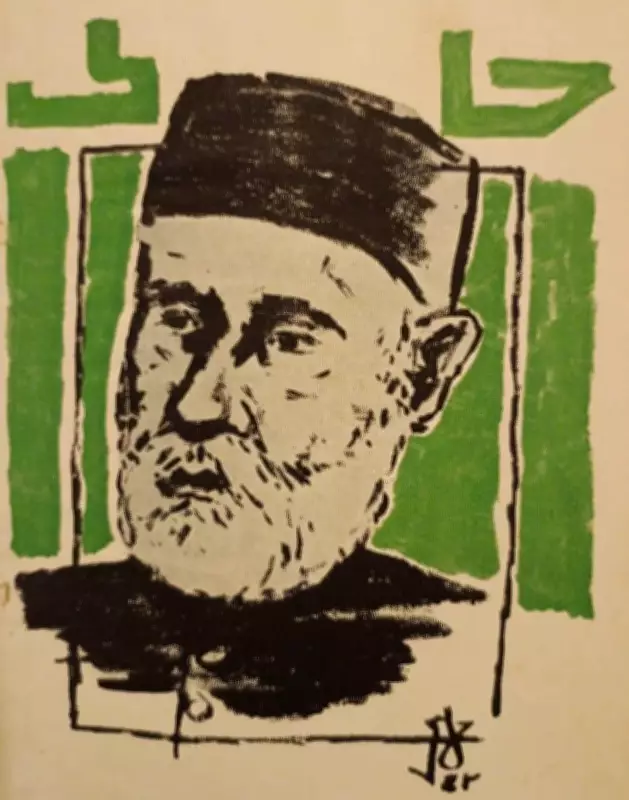
The Enduring Relevance of Hali's Poetry in Modern India
In the rich tapestry of Indian literature, the 19th-century Urdu poet Altaf Hussain Hali stands as a towering figure whose works transcend time. Often overshadowed by more contemporary voices, Hali's poetry offers profound insights into social reform, national identity, and human values that remain strikingly relevant today. As India navigates complex cultural and societal challenges, revisiting Hali's verses provides a lens through which to examine enduring issues with fresh perspective.
Championing Social Reform and Women's Rights
Hali was a pioneering advocate for social change, using his poetic voice to critique regressive practices and champion progressive ideals. His famous work, "Musaddas-e-Hali" (The Ebb and Flow of Islam), is a powerful commentary on the decline of Muslim society and a call for revival through education and moral upliftment. Beyond this, he passionately addressed women's rights in poems like "Chup ki Daad" (In Praise of Silence), highlighting the struggles and resilience of women in a patriarchal society. In an era where gender equality and social justice are global priorities, Hali's advocacy reminds us that these battles have deep historical roots and require sustained effort.
Fostering National Identity and Unity
At a time when India was under colonial rule, Hali's poetry subtly wove themes of national pride and unity. He emphasized the shared heritage and common goals of all Indians, regardless of religious or cultural differences. His emphasis on inclusivity and collective progress resonates strongly in today's diverse society, where fostering harmony and understanding is crucial. By promoting a sense of belonging and mutual respect, Hali's works serve as a timeless guide for building a cohesive nation.

Literary Innovation and Educational Impact
Hali was not just a poet but a literary innovator who modernized Urdu poetry by introducing simpler, more accessible language and themes relevant to everyday life. This shift made his works more relatable to the masses, bridging the gap between elite literary circles and common people. His focus on education as a tool for empowerment is evident in verses that encourage learning and critical thinking. In the current age, where digital media and rapid communication dominate, Hali's approach to making literature impactful and educational offers valuable lessons for writers and educators alike.
Why Hali Should Be Read Today
The reasons to read Hali in contemporary times are multifaceted and compelling:
- Historical Perspective: His poetry provides a window into 19th-century Indian society, helping us understand the origins of modern social movements.
- Moral Guidance: Themes of ethics, compassion, and justice in his works offer moral compass points in an increasingly complex world.
- Cultural Preservation: Engaging with Hali helps preserve Urdu literary heritage, enriching India's cultural diversity.
- Inspiration for Change: His calls for reform inspire ongoing efforts in areas like education, gender equality, and social harmony.
In conclusion, Altaf Hussain Hali's poetry is not a relic of the past but a living testament to the power of words to shape society. By reading Hali today, we honor a legacy that continues to illuminate paths toward a more just and unified India. His works remind us that literature, when rooted in empathy and vision, can transcend eras and speak directly to the human condition.