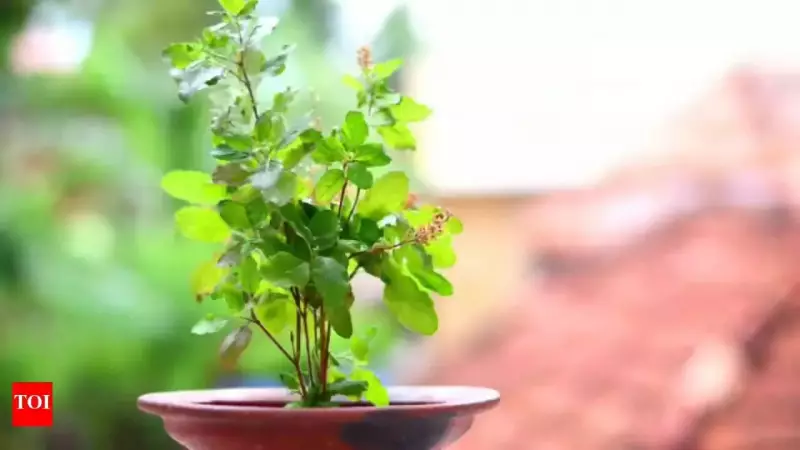
The Sacred Evening Ritual: Lighting Diya Under Tulsi Plant in Hindu Homes
In countless traditional Indian households, an age-old evening ritual unfolds as dusk settles: the lighting of a diya beneath the sacred Tulsi plant. This deeply ingrained practice, passed down through generations, holds immense importance in Hindu culture, weaving together devotion, purity, and divine protection. But what makes this tradition so enduring and spiritually significant? Let's delve into the rich symbolism and beliefs that illuminate this daily act of reverence.
Why This Hindu Tradition Endures
Lighting a diya under the Tulsi plant is far more than a simple custom; it is a profound expression of faith. The Tulsi plant, revered as an incarnation of Goddess Lakshmi, the deity of wealth and prosperity, is honored through this ritual. By performing this act daily, devotees believe they invite the blessings of Goddess Lakshmi into their homes. Simultaneously, the diya's flame is thought to harness the energy and grace of Lord Vishnu, the preserver in the Hindu trinity. This dual invocation is believed to usher in prosperity, spiritual cleansing, and divine favor, creating a harmonious and blessed living environment.
Purity and the Triumph of Light
The act of lighting a diya symbolizes the eternal victory of light over darkness and knowledge over ignorance. When placed near the Tulsi plant, this symbolism is amplified. The Tulsi plant possesses innate sattvic energy—a quality of purity and balance in Hindu philosophy. The diya's light enhances this energy, purifying the air and surroundings by dispelling negative vibrations. Ancient texts, such as the Skanda Purana, extol the virtues of this practice, suggesting it helps eradicate sins and grants moksha, or liberation, to devotees. It is also believed to aid the souls of the deceased on their spiritual journey, offering solace and divine assistance.

Invocation of Divine Blessings and Protection
According to Hindu mythology, the Tulsi plant embodies the abundance of Goddess Lakshmi and the preservation qualities of Lord Vishnu. The flickering flame of the diya serves as an invocation of their combined grace, attracting happiness, health, wealth, and harmony into the household. Using a ghee-diya, in particular, is emphasized for its purity and ability to ward off negativity. The timing of this ritual in the evening aligns with the transition from day to night, a period considered potent for spiritual practices. This alignment is thought to effectively repel evil spirits and create a protective shield around the home, ensuring safety and peace for its inhabitants.
Energy Cleansing and Holistic Well-being
Lighting a diya under the Tulsi plant initiates an energy cleansing ritual. The flickering light creates a protective aura that repels negativity and fosters an atmosphere of tranquility. Combined with Tulsi's well-known medicinal properties, this practice promotes both mental clarity and physical well-being. Performing a parikrama, or circumambulation, around the Tulsi plant after lighting the diya is believed to seal the positive flow of chi, or life energy, within the home. Regular adherence to this ritual is said to ensure freedom from past karma, cultivate lasting happiness, and pave the way toward moksha. Even a single act of lighting the diya is considered powerful enough to erase sins and secure a place in Lord Vishnu's abode, as echoed in ancient tales of divine intervention.
In essence, the ritual of lighting a diya under the Tulsi plant is a multifaceted spiritual practice that enriches Hindu households. It blends devotion with practical benefits, offering a daily reminder of purity, protection, and the divine presence in everyday life.