Neha Sinha's 'Wild Capital' Reimagines Delhi as a Thriving Urban Wilderness
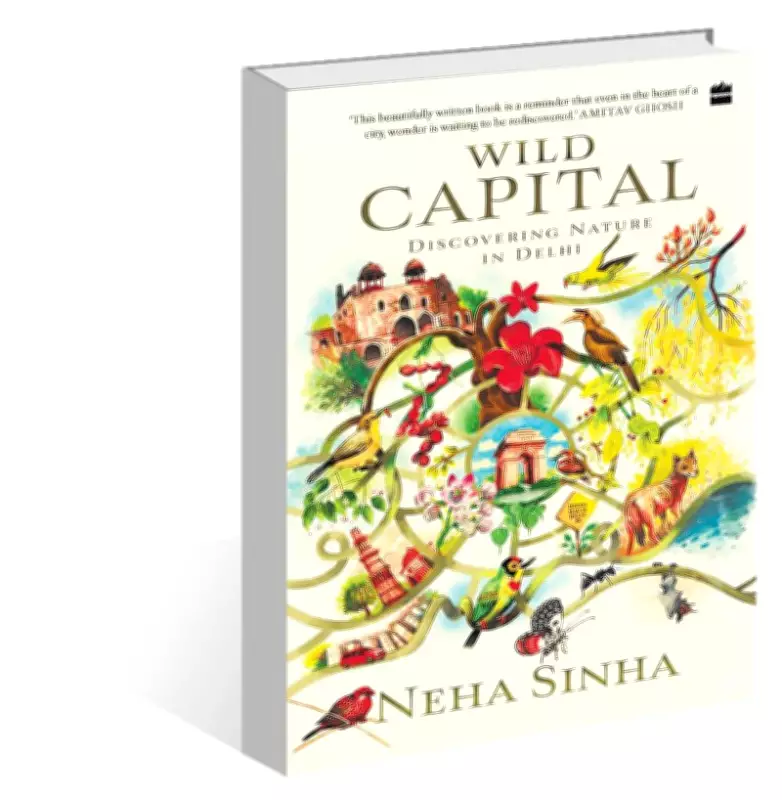
In an era where environmental crises dominate headlines, Neha Sinha's Wild Capital: Discovering Nature in Delhi offers a refreshing and poignant perspective. Published by HarperCollins, this 320-page book serves as both an ode and a love letter to the natural world hidden within India's bustling capital. Sinha masterfully navigates the challenge of writing about nature in the 21st century, where species decline and ecosystem devastation often render such efforts hollow. Yet, she transforms this into a compelling narrative that encourages readers to see their urban surroundings with new eyes.
A Creative and Poetic Exploration
The title Wild Capital is a clever play on words, blending the concepts of financial capital, political power, and natural abundance. Sinha's prose flows like a gentle mountain stream, with a pace reminiscent of a leisurely stroll through woods. This poetic style soothes the reader while delivering a powerful message: nature in cities is not lost but merely overlooked. The book begins by urging a rediscovery of what has been forgotten, reminding us to cherish the natural beauty in our own backyards before it vanishes.
Guiding Readers Through Delhi's Hidden Treasures
Sinha acts as a skilled nature guide, leading readers through Delhi's forgotten landscapes. The first section, titled 'The Forgotten', starts in gardens—those transitional spaces between home and the wild—and expands into explorations of trees, insects, birds, forests, and savannahs. Readers are invited to see common birds in a new light and appreciate the subtle changes in light through a Jamun tree's canopy. Sinha also incorporates insights from three veteran naturalists, offering diverse perspectives on Delhi's green depths.

Rediscovering Nature in Urban Life
The second part, 'A City of Its People', brilliantly illustrates how community and observation can unveil nature in urban settings. It emphasizes that majestic trees, vibrant birds, butterflies, and animals thrive not just in distant national parks but all around us. A simple stroll with attentive companions can reveal wonders equal to a planned holiday. This section contrasts Delhi's notorious issues—like poor air quality and safety concerns—with its hidden natural paradoxes: barbets, fireflies, owls, and butterflies that coexist in the city's din.
Cherishing the Discoveries
The final segment, 'The Found', focuses on treasuring the discoveries made through searching and wandering. It highlights the friendships formed, words crafted, and experiences gained along this journey. Sinha argues that even remnant nature in cities can unveil new species, stories, and meanings, fostering a deeper connection for observers. Her lens encourages all city dwellers, whether nature enthusiasts or not, to re-evaluate their urban environments as places where nature can be both lost and found.
A Transformative Reading Experience
Wild Capital has a profound impact, compelling readers to re-examine their own cities—regardless of size, pollution levels, or noise. It shifts focus to foreground trees, birds, butterflies, and animals, inspiring post-reading strolls to local gardens or observations of wildlife like black kites on streetlights. The book seamlessly transitions from page to real-life green patches, teaching that cities should always harbor elements like fireflies. Reviewed by Kulbhushansingh Suryawanshi, director of the India Program of the Snow Leopard Trust, this work is a timely reminder of urban ecology's importance.