Word, Visual, Meaning: The Order of Looking, Rearranged
In a profound reflection on the interplay between language and imagery, the concept of perception is being reexamined through artistic lenses. Flowers, suns, stars, grass, birds, blue skies, and blue water—these elemental symbols have found a new home in the confines of paper, challenging conventional notions of how we interpret visual and textual information.
The Reordering of Visual and Verbal Elements
Traditionally, art and literature have followed a linear path where words precede images or vice versa, but contemporary thought suggests a more fluid dynamic. The arrangement of these natural motifs—from the vibrancy of flowers to the vastness of blue water—on paper serves as a metaphor for how meaning is constructed and deconstructed. This process involves a deliberate disruption of the expected order, inviting viewers to engage with pieces in a non-sequential manner.
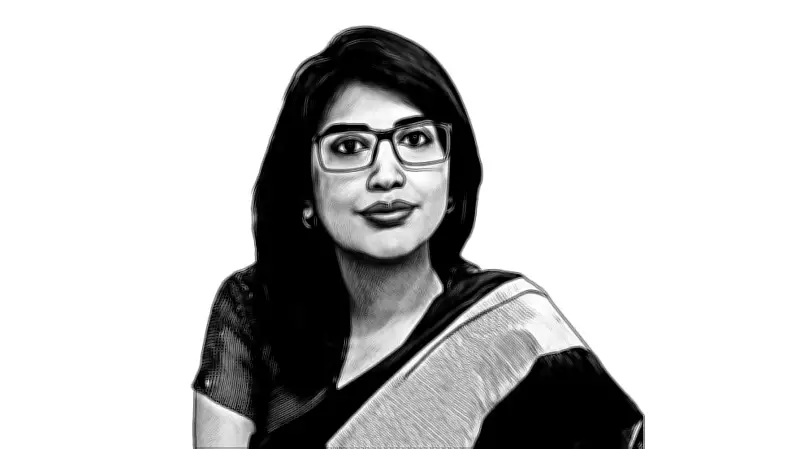
Sumana Roy, in her insightful analysis, highlights how this reordering transcends mere aesthetic appeal. It delves into the cognitive processes that govern our understanding of art. By placing elements like stars and grass alongside textual components, artists create a dialogue that blurs the boundaries between word and visual, prompting a reevaluation of what constitutes meaning in creative works.

Symbolism and Spatial Dynamics in Art
The use of specific symbols—such as suns representing energy and birds symbolizing freedom—adds layers of interpretation to these artistic compositions. When combined with the pervasive theme of blue, which often evokes tranquility or depth, the pieces become a canvas for exploring emotional and philosophical themes. The spatial arrangement on paper is not random; it is a calculated effort to guide the viewer's gaze in new directions, fostering a sense of discovery and introspection.
This artistic approach has gained traction in various circles, from academic critiques to public exhibitions, as it resonates with a growing desire for more immersive and interactive experiences. By rearranging the order of looking, artists empower audiences to find personal connections and meanings, moving beyond passive observation to active participation in the creative process.
Implications for Perception and Creativity
The implications of this reordered gaze extend beyond the art world, influencing fields such as psychology, education, and design. It underscores the importance of flexibility in perception, suggesting that by breaking free from rigid structures, we can unlock new avenues for innovation and expression. As more artists experiment with these concepts, the dialogue between word, visual, and meaning continues to evolve, offering fresh perspectives on how we interact with and interpret the world around us.
In conclusion, the integration of natural elements like flowers, suns, and blue water into paper-based art represents a significant shift in artistic expression. It challenges us to rethink the hierarchies of looking and meaning, paving the way for a more dynamic and inclusive approach to creativity. As Sumana Roy aptly notes, this reordering is not just about aesthetics—it is a fundamental reimagining of how we see and understand art in the modern era.