

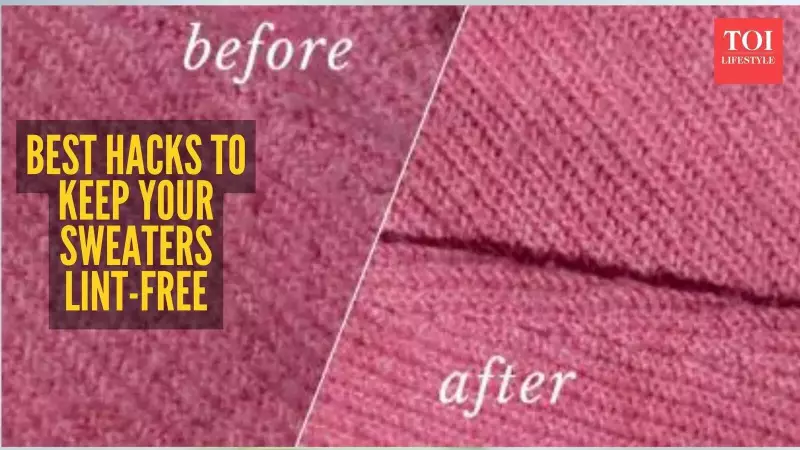
There's a unique comfort in wearing your favourite winter sweater, be it a cherished gift from family or a stylish find. However, that cozy feeling can quickly fade when lint and fuzz balls appear, making even premium knitwear look worn out. In India, where winters are brief but sweater damage is swift, maintaining your garments requires specific knowledge.
Why Indian Conditions Accelerate Sweater Damage
The formation of lint and pilling is a natural process caused by friction between loose fibres. This is especially prominent in high-rub areas like underarms, elbows, and where bag straps rest. In the Indian context, several factors worsen this problem. High dust levels, frequent and often aggressive washing habits, and wearing sweaters over cotton kurtas that shed fibres all contribute. Furthermore, the short winter season often leads to rushed and improper storage, compounding the wear and tear.
Proactive Care: Prevention Over Cure
The golden rule for sweater longevity is to wash them less frequently. Unlike summer clothing, sweaters only need cleaning when visibly soiled. Airing them out after use is usually sufficient. When washing is necessary, always turn the garment inside out, use cold water with a mild detergent, and opt for the gentle or wool cycle on your machine. Hand washing is ideal; soak the sweater, gently squeeze, and rinse without wringing or scrubbing.

How you dry and store sweaters is equally critical. Never hang a wet sweater, as the weight of the water will stretch the fibres. Instead, lay it flat on a towel, reshape it gently, and let it air-dry indoors, away from direct sunlight which can make fibres brittle. For storage, always fold sweaters neatly. Hanging them causes stretching and stress. Store them in breathable cotton bags or pillowcases, not plastic, to protect against dust in shared cupboards.
Easy Solutions for Existing Lint and Long-Term Maintenance
For sweaters already showing signs of pilling, a basic lint remover or fabric shaver is a worthy investment for any Indian wardrobe. Use it gently on the surface. In a pinch, you can carefully use a clean razor or sticky tape wrapped around your fingers. Avoid going over the same spot repeatedly to prevent fabric weakening.
Your daily habits play a huge role. Be mindful of what you wear underneath your sweater. Rough cotton or cheap synthetics that shed will increase lint transfer. Opt for smooth, well-finished fabrics. Also, rotate your sweaters and avoid carrying the same bag daily, as constant friction on one spot speeds up pilling.
When the winter season ends, proper storage is key. Always wash sweaters before storing them to remove body oils that attract insects. Ensure they are completely dry, then fold and store with natural moth repellents like neem leaves, lavender sachets, or cedar blocks. Avoid letting naphthalene balls directly touch the fabric, as they can damage fibres.
Remember, lint doesn't signal poor quality or old age; it simply indicates a need for attentive care. By adopting these simple, equipment-free practices, you can significantly extend the life of your winter wardrobe, ensuring your sweaters remain a source of joy for many cozy seasons to come.






