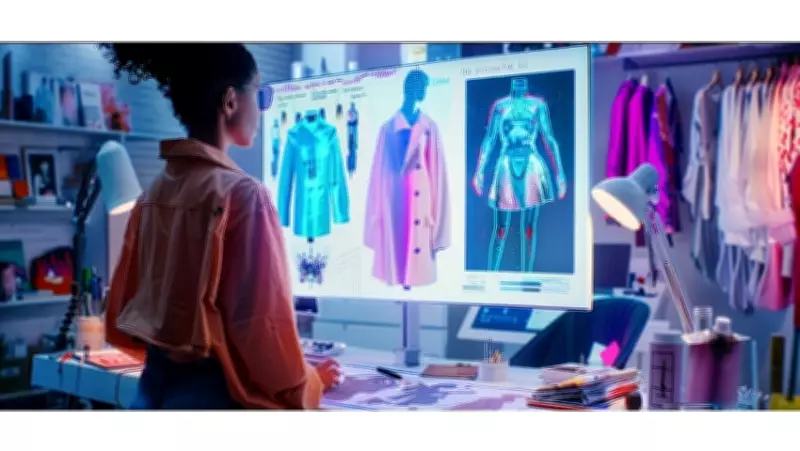
Fashion design is undergoing a transformative shift as designers increasingly merge traditional craftsmanship with modern technology. This fusion is not only redefining aesthetics but also promoting sustainability and efficiency in the industry.
The Role of Technology in Modern Fashion
Technological advancements such as 3D printing, digital fabric printing, and wearable tech are revolutionizing how garments are conceived and produced. Designers can now create intricate patterns and structures that were previously impossible, while reducing waste through precise manufacturing.
3D Printing and Customization
3D printing allows for on-demand production, minimizing excess inventory. It enables customization, where consumers can have clothing tailored to their exact measurements, reducing returns and waste.

Digital Fabric Printing
Digital printing on fabrics reduces water usage and chemical runoff compared to traditional dyeing methods. It also allows for complex, vibrant patterns that can be changed quickly, enabling fast adaptation to trends.
Preserving Craftsmanship
Despite the tech influx, traditional skills like hand-weaving, embroidery, and block printing remain vital. Many designers collaborate with artisans to incorporate these techniques, ensuring cultural heritage is preserved while adding unique value.
Artisan Collaborations
Brands are partnering with rural artisans to create limited-edition collections. This not only provides income for communities but also brings authenticity and storytelling to fashion pieces.
Sustainable Practices
The intersection of craft and tech is driving sustainability. For example, using recycled materials with high-tech processing or employing AI to optimize supply chains reduces environmental impact.
Eco-Friendly Innovations
Biodegradable fabrics made from agricultural waste, developed through biotechnology, are gaining traction. These materials decompose naturally, addressing the problem of textile waste.
Future Outlook
The fashion industry is moving towards a hybrid model where technology enhances rather than replaces human creativity. As consumers become more conscious, the demand for ethical, innovative fashion will grow.
- Increased use of augmented reality for virtual try-ons.
- Blockchain for transparent supply chains.
- Smart textiles that monitor health or adjust to temperature.
In conclusion, the marriage of craft and technology in fashion design is creating a new paradigm that values both heritage and innovation. This approach not only yields beautiful, functional clothing but also paves the way for a more sustainable and inclusive industry.