Pakistani Political Family's Wedding Features Indian Designer Outfits
The recent wedding of Muhammad Junaid Safdar, grandson of former Pakistani Prime Minister Nawaz Sharif, has captured significant attention online. The event took place in Lahore on January 18, where Junaid Safdar married Shanzeh Ali Rohail. Junaid Safdar is the son of Punjab Chief Minister Maryam Nawaz Sharif and Captain (Retd) Muhammad Safdar Awan.
Bride Chooses Prominent Indian Designers
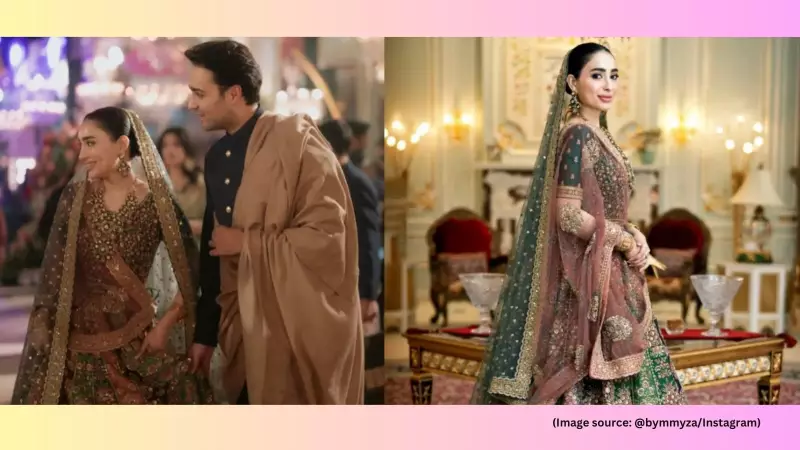
Shanzeh Ali Rohail selected outfits from two of India's most celebrated fashion designers for her wedding ceremonies. For the mehendi ritual, she wore a stunning green lehenga created by Sabyasachi Mukherjee. The ensemble featured elaborate golden zari work and was complemented with a double dupatta.
During the main wedding ceremony, Rohail appeared in a striking red saree designed by Tarun Tahiliani. She completed her bridal look with a matching red veil and a sophisticated sleek bun hairstyle.

Social Media Reactions and Debate
The bride's fashion choices quickly sparked conversations across Pakistani social media platforms. Many users questioned the decision to wear Indian designers given the current political climate between the two neighboring countries.
One social media user expressed strong disapproval, writing "What's this obsession with Indian designers? They drool over our Pakistani clothes and look at this!" This comment reflects the sentiments of those who believe national pride should influence fashion decisions during periods of diplomatic strain.
However, other voices emerged in defense of the bride's autonomy. Another user countered with "To everyone criticising her choice – I'm sure the outfit you chose for yourself at your wedding or in daily life isn't liked by everyone. It's 2026, can we all grow up and stop criticising brides for wearing whatever they want at their own wedding, paid for by themselves/their family?" This perspective emphasizes personal freedom and challenges the notion that political tensions should dictate individual fashion preferences.
Broader Context and Implications
The wedding occurs against a backdrop of ongoing political tensions between India and Pakistan. The involvement of a prominent political family adds another layer to the discussion. Nawaz Sharif served as Pakistan's Prime Minister three times, and his daughter Maryam Nawaz Sharif currently holds the position of Punjab Chief Minister.
This incident highlights how fashion choices can become symbolic in cross-border relationships. The debate extends beyond mere clothing preferences to touch upon questions of cultural exchange, national identity, and personal expression during politically sensitive times.
Indian designers like Sabyasachi Mukherjee and Tarun Tahiliani enjoy international recognition for their craftsmanship and aesthetic vision. Their creations frequently appear at high-profile weddings across South Asia and beyond, demonstrating the global appeal of Indian fashion design.
The social media discussion reveals divided opinions within Pakistani society regarding cultural influences and national boundaries. While some view the choice as problematic given current diplomatic relations, others advocate for separating personal fashion decisions from political considerations.
This wedding story continues to generate conversation about where personal preference ends and political symbolism begins in the realm of fashion and public life.