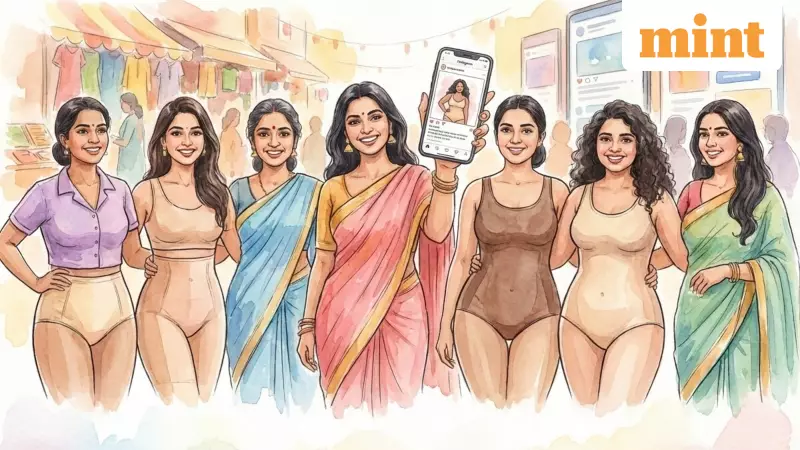
Shapewear Emerges as a Steady Growth Driver for Indian Fashion Brands
Shapewear is quietly transforming India's apparel industry. Brands are shifting focus towards functional innerwear that offers both support and body positivity. This move comes as companies search for reliable demand drivers beyond seasonal fashion trends.
From Occasional Purchase to Wardrobe Essential
Easy availability on quick-commerce platforms like Zepto and Blinkit is changing consumer behavior. Strong social media discoverability is helping reposition shapewear. Young consumers now view these products as everyday essentials rather than occasional purchases.
This shift is creating a scalable growth category with all-season potential. Both established retailers and new startups are expanding their shapewear portfolios to attract younger shoppers.

Funding Activity Heats Up
Growing demand is translating into increased investment activity. Shapewear startup Underneat, founded by content creator Kusha Kapila, raised $6 million in pre-Series A funding last December. The round was led by Fireside Ventures.
Noida-based Krvvy is preparing to close follow-on capital from existing investors All In Capital and Titan Capital. This comes just a year after the company raised pre-seed funding of ₹6.1 crore.
Delhi-based Invogue has also secured recent funding. Founder Madhav Saxena explained his inspiration came from personal experience. He struggled to find comfortable, confidence-affirming shapewear for his partner during the pandemic.
"At the time, shapewear in India felt medical and uncomfortable," Saxena said. "Globally, brands like Skims had changed the narrative, but India lagged in conversations around body positivity."
Major Players Expand Offerings
Large retailers are joining the trend. Nykaa Fashion is accelerating growth of its lingerie brand Nykd. The brand achieved a gross merchandise value run rate exceeding ₹170 crore in the July-September quarter of 2025.
Reliance Retail-backed Clovia is expanding its shapewear portfolio with careful attention to sizing and compression levels. Founder Pankaj Vermani emphasized the category's evolution.
"As awareness grows and brands adapt products to Indian bodies, shapewear is moving from occasional solution to regular wardrobe essential," Vermani stated.
Market Potential and Challenges
The Indian shapewear market was valued at $49.6 million in 2022. According to Apollo Research, it could reach $220.8 million by 2032. This represents a compound annual growth rate of 16.16%.
Demand is particularly strong from smaller cities. Almost half of Krvvy's revenue comes from non-metro areas. Quick-commerce platforms are accelerating growth in metropolitan markets.
"On New Year's eve, we sold 200 units on each quick commerce platform within just four hours," said Krvvy co-founder Yash Goyal. "This was unexpected."
Structural Hurdles Remain
Despite promising growth, significant challenges persist. The fit-sensitive nature of shapewear makes online-only models difficult for first-time buyers. Offline touchpoints remain crucial for building trust and encouraging trials.
Body diversity across India creates additional complexity. Differences in height, weight, and body type influence design requirements. Sizing errors become costly in online-first distribution models.
Analyst Satish Meena from Datum Intelligence highlighted the scaling difficulties. "Fashion is an easy category to enter, but hard to scale," he noted. These factors raise questions about long-term profitability and margins.
Changing Consumer Perceptions
Brands are working to overcome stigma around shapewear. Invogue positions its products as "makeup for the body." Saxena explained this approach helps normalize shapewear usage.
"Using shapewear doesn't mean something is wrong with your body," he said. "It's like makeup - it doesn't change who you are, it just helps accentuate how you want to look."
Clovia's Vermani emphasized the need for continued education. Brands must invest in trial opportunities and feedback-led design. This approach helps make shapewear feel intuitive and everyday for consumers.

The fashion segment dominates India's e-lifestyle market, accounting for nearly three-quarters of the $130 billion sector. Constant innovation remains crucial for success in this competitive landscape.