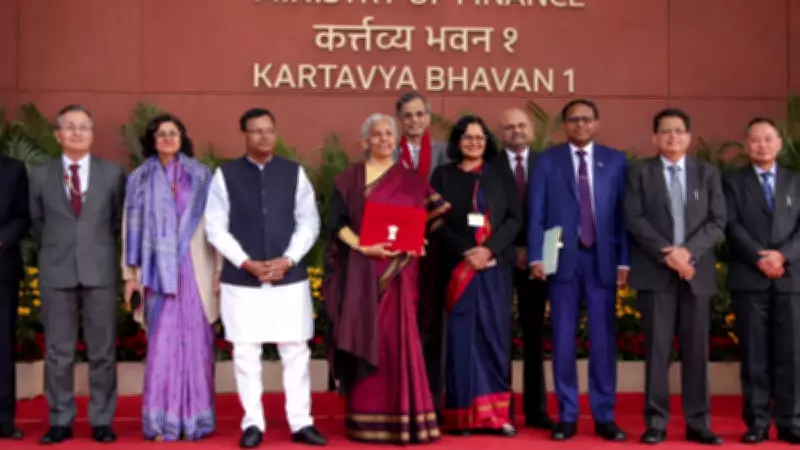
Nirmala Sitharaman's Kanchipuram Saree Becomes Budget 2026's Fashion Highlight
While the Union Budget 2026 presented by Finance Minister Nirmala Sitharaman was packed with economic policies and fiscal announcements, it was her sartorial choice that captured significant public attention and admiration across social media platforms. Sitharaman, known for her elegant and traditional attire during important parliamentary sessions, once again made a powerful statement by wearing a stunning Kanchipuram silk saree.
The Significance of the Kanchipuram Saree Choice
The Kanchipuram saree, originating from the temple town of Kanchipuram in Tamil Nadu, is renowned worldwide for its exquisite craftsmanship, rich silk fabric, and intricate zari work using pure gold and silver threads. By choosing this particular traditional wear for the Budget presentation, Sitharaman not only showcased her personal style but also brought national focus to India's diverse textile heritage and the skilled artisans behind these magnificent creations.
This deliberate fashion choice serves multiple purposes:

- Promoting Indian Handloom: It highlights the government's continued emphasis on supporting and promoting indigenous handloom sectors.
- Cultural Representation: The saree represents South Indian textile traditions on a national platform.
- Women Empowerment: It showcases how traditional attire can be powerful professional wear for women in leadership positions.
Public Reaction and Social Media Buzz
Following the Budget presentation, social media platforms were flooded with appreciation for Sitharaman's elegant appearance. Fashion enthusiasts, textile experts, and ordinary citizens alike praised her for consistently choosing traditional Indian wear for official events, setting a remarkable example of cultural pride in professional settings.
Key aspects of the public response included:
- Widespread appreciation for her commitment to Indian textiles
- Detailed analysis of the saree's design elements and craftsmanship
- Discussions about how traditional attire enhances rather than diminishes professional presence
- Recognition of the economic boost such visibility provides to handloom weavers
Broader Implications for Indian Fashion and Textile Industry
Sitharaman's consistent choice of traditional Indian wear for important government events has established her as an unofficial ambassador for the country's textile heritage. Her Budget 2026 appearance in the Kanchipuram saree comes at a time when the government has been implementing various schemes to support handloom weavers and promote khadi and other indigenous fabrics.
The visibility provided by such high-profile events can significantly impact consumer preferences and boost demand for traditional textiles, potentially creating more sustainable livelihoods for artisans across the country. This fashion statement aligns perfectly with the broader 'Vocal for Local' and 'Make in India' initiatives that encourage domestic production and consumption.
As India continues to position itself as a global economic power, such conscious choices by prominent leaders help maintain cultural identity while engaging with modern governance and international economic discourse.