

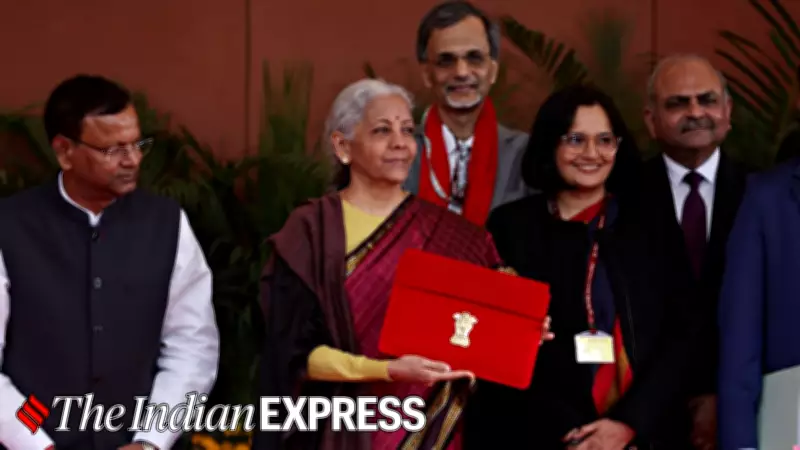
Union Finance Minister Nirmala Sitharaman made a striking appearance at Parliament on February 1, 2026, as she arrived to present the highly anticipated Union Budget. This marks her ninth consecutive budget presentation, a milestone that underscores her enduring role in India's economic governance.
A Tradition of Elegance and Heritage
Continuing her well-established custom, Sitharaman chose to wear a traditional Indian saree for the occasion, reinforcing her commitment to showcasing India's cultural richness. This year, she selected a beautiful handwoven Kanjeevaram silk saree, sourced directly from Tamil Nadu's centuries-old weaving traditions.
The saree featured subtle yet rich embroidery and a classic border, making it a perfect choice for the formal event. Its design not only added to the minister's elegant ensemble but also carried great symbolic significance.

Symbolism and Craftsmanship
By opting for this traditional attire, Sitharaman highlighted India's rich textile heritage, vibrant local art, and deep respect for indigenous craftsmanship. The Kanjeevaram saree, known for its durability and intricate patterns, served as a powerful statement of support for local weavers and artisans.
This choice resonates with broader efforts to promote Make in India initiatives and preserve traditional crafts in the face of modernization.
The Iconic Digital Tablet and Bahi-Khata Pouch
Complementing her traditional saree was Sitharaman's now-iconic digital tablet, which contained the Budget documents. Instead of the colonial-era briefcase once used for this purpose, the tablet was enclosed in a traditional red bahi-khata-style pouch.
This pouch is reminiscent of the account-keeping ledgers historically used by Indian shopkeepers, blending modern technology with cultural symbolism. Sitharaman presented the tablet with a confident smile before stepping into the Lok Sabha, emphasizing a seamless fusion of tradition and innovation.
Media and Public Reaction
The event garnered significant attention on social media and news platforms, with videos and images of Sitharaman's ensemble and the bahi-khata pouch widely shared. This visual narrative reinforced the themes of heritage and progress that are central to her budget presentations.
Observers noted that such details not only personalize the budget process but also make it more relatable to the common citizen, bridging the gap between government proceedings and public engagement.
Broader Implications and Legacy
Sitharaman's consistent choice of traditional attire and symbolic accessories over nine budgets has set a precedent for future finance ministers. It underscores the importance of cultural identity in official functions and promotes India's diverse artistic traditions on a global stage.
As India continues to navigate economic challenges and opportunities, such gestures serve as reminders of the nation's enduring values and creative spirit, making the budget presentation not just a financial event but a cultural spectacle.






