Walk into any urban cafe, college campus, or shopping mall across India today, and you'll notice something striking. Everyone appears to be dressed from the same global wardrobe. Minimalist sneakers, clean-aesthetic t-shirts, matching water bottles, neutral-toned gym wear, and curated desk essentials have become the uniform of modern youth.
This visual sameness isn't accidental fashion fatigue. It represents a significant cultural shift where individuality is gradually disappearing, replaced by trend-driven conformity that spans continents. The driving force? Digital culture and social media algorithms that reward visual uniformity.
The Psychology Behind Our Purchase Decisions
Digital culture observer Oorjita Shahi, who commands a following of 37,000 on social media as @oorja.walking, has been studying these patterns closely. "We're in a loop where people are not buying for themselves; they're buying for the version of themselves they think others want to see," she explains.

This behavior stems from what psychologists call Social Comparison Theory. People constantly measure their lives, appearances, and possessions against others, with social media amplifying this tendency. A 2021 study titled "Instagram Influencer Marketing: Perceived Social Media Marketing Activities and Online Impulse Buying" confirmed that attractive, trustworthy influencers significantly increase users' likelihood of making impulse purchases.
Environmental Cost of Trend-Chasing
The consequences extend far beyond personal finance. The fashion and consumer goods industry contributes 8-10% of global greenhouse gas emissions, according to Scientific American. Synthetic textiles release microplastics during washing cycles, and many clothing items end up in landfills within a year of purchase.
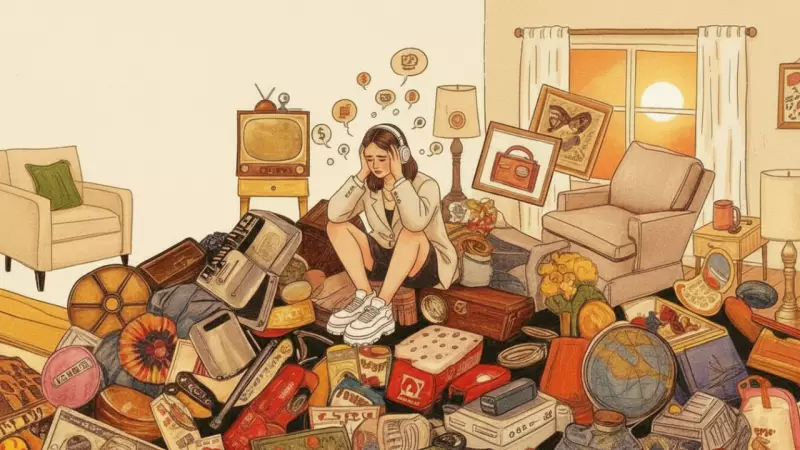
Overconsumption means buying more than needed, more than used, and often more than can be responsibly discarded. These purchases frequently serve as aesthetic props rather than practical necessities - water bottles that photograph well, outfits matching a "feed vibe," or skincare kits promising discipline.
How Algorithms Flatten Global Taste
What was once shaped by local culture, climate, and personal history has become globally homogenized. Brands and creators now sell complete aesthetics rather than just products. With global supply chains and algorithm-driven trends, a look created in one location can spread worldwide within days.
Platforms inherently reward visual sameness - neutral clothing, minimalist interiors, curated routines. Following these formulas guarantees visibility, both online and offline. These digital aesthetics transform into real-world social expectations, influencing how people dress, decorate their homes, and present themselves daily.
Reclaiming Individuality in a Copy-Paste World
The solution begins with conscious consumer choices. Resisting the scroll starts with pausing before purchasing and questioning whether an item genuinely serves personal needs or merely enhances social media presence.
Choosing intentionally, prioritizing durability over trendiness, buying fewer but higher-quality items, and repairing instead of replacing can help break the cycle. Supporting transparent creators who disclose sponsorships and opting for sustainable brands also makes a difference.
As Oorjita wisely notes, "Personality is made by what you learn through living, not scrolling." True individuality was never meant to be mass-produced, and authentic personal style transcends temporary trends.