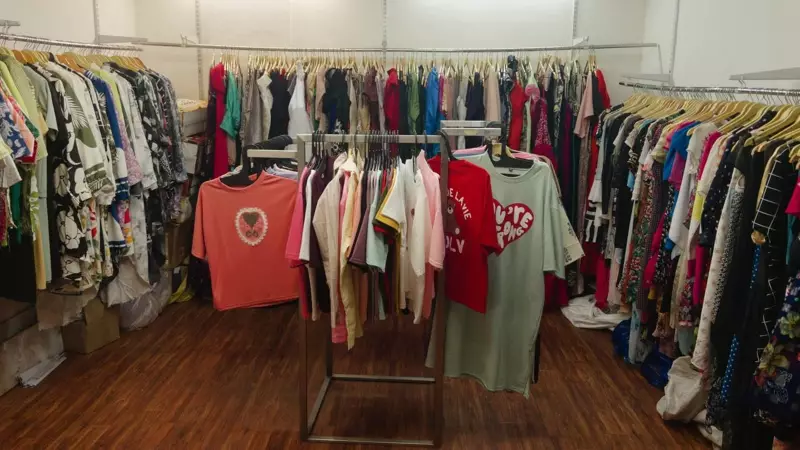
Thrifting Gains Momentum in India's Fashion Scene
Today, purchasing pre-owned clothing and accessories has become a popular trend across India. The second-hand apparel market globally reached $211 billion after the Covid pandemic. Experts predict this number will continue growing as thrifting culture spreads worldwide.
The Problem with Fast Fashion
The fast-fashion industry faces serious criticism for environmental and human rights issues. Environmentalists have long highlighted concerns about waste generation, carbon emissions, and labor exploitation in clothing production. Many brands create poorly made items to keep up with rapidly changing trends.
In our consumer-driven world, landfills overflow with discarded garments. Could thrifting provide a solution to these fast-fashion problems?

India's Thriving Thrift Scene
In India, thrifting is developing rapidly through online platforms. Several cities also host offline markets. Mumbai, New Delhi, Pune, and Kolkata have emerged as key centers for second-hand fashion.
Urban youth are driving this cultural shift. They seek affordable, sustainable alternatives to mainstream retail chains.
"I thrift because it's affordable and sustainable," says Krish Nerurkar, a Pune student. "I love fashion but don't want to support fast-fashion brands that create textile waste. I also upcycle thrift finds by painting or embroidering them to create custom pieces. This approach keeps my styling budget-friendly."
Self-Expression on a Budget
Thrifting has become particularly popular among students. They can explore personal style without spending much money. The activity also serves as social entertainment. Friends can walk through cities together, hunting for unique items while sharing similar fashion tastes and environmental values.
"My fashion taste is whimsical and different from mass-produced chain store items," explains Sarah Katherine, a fashion enthusiast. "Thrifting lets me find unique pieces. It's also fun to explore with friends while holding a coffee."
Katherine notes that India's thrifting culture remains relatively new. She describes challenges in Pune's offline scene. "Malaysia has organized thrifting culture. In Pune, offline thrifting mainly means street shopping. Vendors often relocate or close due to local regulations."
Finding Hidden Treasures
The general view suggests India's offline thrift market lacks organization. However, patient shoppers can discover rare fashion gems and wardrobe basics. Online stores are responding to growing demand for second-hand goods.
Asmi Kulkarni founded a thrift store to create community-driven, conscious fashion space. "My sourcing comes from people around me - friends, acquaintances, or contacts with clothes that no longer fit or suit their style but remain in good condition. We agree on fair prices. When items sell, 60% returns to the original owner. It's a shared benefit model," Kulkarni explains.
She adds that Instagram has made thrifting more accessible and relatable. The platform has turned second-hand shopping into a trend everyone can join.
In Pune, thrift stores operate in Shivajinagar, Camp, and MG Road areas. Several online options also exist.
A Cultural Shift in Making
History shows economic and social uncertainty often sparks counter-cultures that challenge dominant norms. Clothing choices visibly mark such shifts.
After the pandemic, amid growing disillusionment with fast fashion, young Indians are turning to pre-owned clothing. They challenge over-consumption patterns and question ethical standards in fashion.
What might seem like "anti-culture" to mainstream retail actually represents human adaptation. People resist excess and seek meaning during unprecedented times.
As thrifting evolves in India, it reflects more than wardrobe changes. It signals broader value shifts among Generation Z, who prioritize sustainability and individuality over mass consumption.