As the calendar turned to 2026, a powerful counter-narrative is taking shape in the world of Indian fashion. In an age dominated by instant trends and rapid consumption, a growing movement is looking back to find true luxury in the country's rich heritage textiles. Experts and designers are now advocating for a fashion resolution that values time, meticulous skill, and the irreplaceable human touch above all else.
The Slow Luxury Movement Gains Momentum
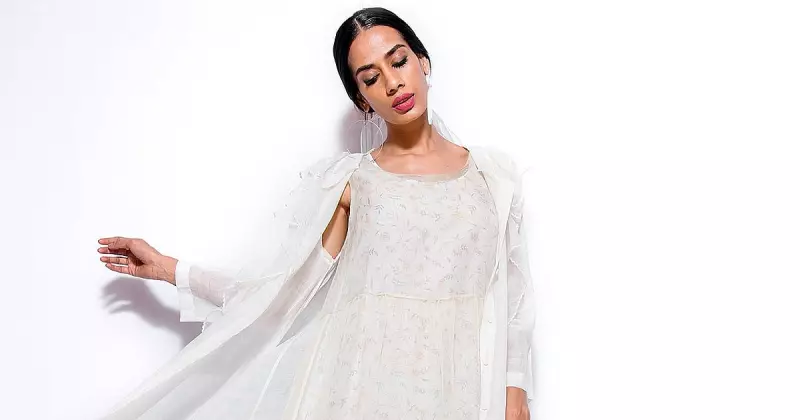
The conversation was notably highlighted during events like the Rajasthan Heritage Week and the National Handloom Day celebrations in 2025. Here, the intricate work of master weavers and designers took center stage, reminding the audience of the profound beauty embedded in slow creation. Design houses such as Abraham & Thakore have been instrumental in this shift, showcasing how traditional techniques can create contemporary and timeless pieces.
Photographers like Haider Khan and Jiten Agarwal have captured the essence of these textiles in stunning detail, further amplifying their appeal. Their visuals tell a story not just of a garment, but of the countless hours of dedication, the generational knowledge, and the artistic passion woven into every thread. This stands in stark contrast to the disposable nature of fast fashion, offering a more meaningful and sustainable alternative for the conscious consumer of 2026.
Why Heritage Textiles Are the Smartest Fashion Resolution
Choosing to invest in Indian heritage textiles is more than a style statement; it's a considered decision with multiple benefits. Firstly, it supports the vast ecosystem of artisans, weavers, and craftspeople across the country, helping preserve invaluable cultural traditions. Secondly, these textiles are inherently sustainable. They are often made with natural fibers, involve less industrial processing, and are created to last for generations, directly combating the environmental toll of accelerated fashion cycles.
Furthermore, in a world of mass-produced sameness, a handloom saree, a khadi jacket, or a block-printed kurta offers unparalleled uniqueness. The slight variations and imperfections are not flaws but signatures of human craftsmanship, making each piece a one-of-a-kind work of art. This aligns perfectly with the global shift towards mindful consumption, where quality and story trump quantity and speed.
The Road Ahead for Conscious Fashion in India
As we move deeper into 2026, this focus on heritage textiles is expected to solidify from a niche trend into a mainstream fashion resolution. It represents a broader yearning for authenticity and connection in what we wear. The call is not to abandon modern fashion but to integrate it with the deep-rooted wisdom of Indian craftsmanship.
The ultimate luxury, it seems, is no longer defined by a flashy logo or an exorbitant price tag from a foreign brand. True luxury is now found in the patience of a weaver at her loom, the skill of a natural dyer's hands, and the timeless narrative that a piece of fabric can carry. For anyone making a style resolution this year, looking towards India's textile heritage might just be the most rewarding choice of all.