

Zara's Super Bowl Halftime Show with Bad Bunny: A Strategic Move to Elevate Brand in US Market
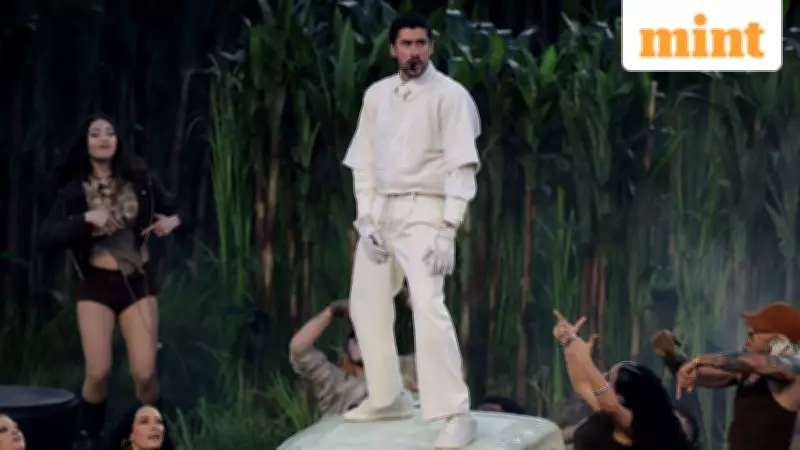
Forget the luxury fashion staples that typically dominate major entertainment events. At Super Bowl LX, a new fashion sensation emerged when Puerto Rican superstar Bad Bunny chose Inditex's flagship brand Zara for his highly anticipated halftime performance. The custom, head-to-toe cream ensemble worn by the artist represents more than just a fashion surprise—it signals a calculated strategic move by the world's largest apparel retailer to push Zara upmarket and significantly boost its profile in the United States.
The Strategic Rationale Behind the Collaboration
This collaboration marks Zara's first partnership with an artist for a performance of this magnitude. The brand worked closely with Bad Bunny, his creative director Janthony Oliveras, and his frequent styling team Storm Pablo and Marvin Douglas Linare to create the custom look. While the pairing appears to be a one-off arrangement for now, its implications are substantial for Inditex's long-term strategy.
The timing was particularly strategic: Bad Bunny made history with the first predominantly Spanish-language halftime show, creating a natural synergy with the Spanish-headquartered Inditex. Beyond this cultural alignment, the moment represents a critical step in Inditex's broader mission to elevate Zara's market positioning under the leadership of Chairperson Marta Ortega, daughter of billionaire founder Amancio Ortega.

Zara's Upmarket Ambitions and US Expansion
For years, Zara has been strategically repositioning itself from being primarily known for affordable interpretations of designer fashion to competing in the accessible luxury segment. This transformation has been evident through several key initiatives:
- The introduction of pricier Atelier collections
- Collaborations with high-profile designers like former Saint Laurent creative director Stefano Pilati
- Investment in more sophisticated retail environments
- Strategic store openings in key US markets including Los Angeles, Las Vegas, Charlotte, and Frisco, Texas
The Super Bowl halftime show represents a significant acceleration of these efforts. According to HSBC Holdings analysts, luxury brands have raised prices on iconic products by an average of 57% since 2019, creating substantial market space for more affordable luxury-style brands. Zara is positioning itself to capture this growing segment alongside established names like France's Sezane, Ralph Lauren, and Tapestry's Coach.
Navigating Risks and Measuring Success
The collaboration wasn't without potential risks. Bad Bunny has been politically outspoken, particularly regarding immigration policies, which drew criticism from former President Donald Trump. However, the brand appears to have calculated that any potential backlash would be outweighed by the substantial benefits.
The results speak for themselves: According to Launchmetrics, which tracks brand value from social media engagement and media coverage, the performance generated an impressive $3.1 million in brand value for Zara. This success follows a broader trend in fashion marketing, where dressing celebrities for major moments has proven effective for other affordable fashion retailers.
Gap's recent resurgence, propelled by Creative Director Zac Posen's work outfitting celebrities like Da'Vine Joy Randolph and Cynthia Erivo, demonstrates the potential impact of strategic celebrity partnerships. Similarly, the Celine jeans that Kendrick Lamar wore during his previous Super Bowl performance sparked significant consumer demand.
The Broader Context of Fashion and Sports Collaborations
Zara's Super Bowl moment occurs within a larger trend of luxury fashion increasingly intersecting with major sporting events. LVMH Moet Hennessy Louis Vuitton's dominance of the 2024 Paris Olympic and Paralympic Games, followed by its $1 billion sponsorship deal with Formula-1 motor racing, exemplifies this convergence. Against this backdrop, Bad Bunny's choice of Zara—an accessible brand rather than a traditional luxury powerhouse—represents a significant coup for Inditex.

Interestingly, Bad Bunny didn't completely abandon luxury elements during his performance. He complemented his Zara ensemble with a Royal Oak timepiece from prestigious watchmaker Audemars Piguet, suggesting a nuanced approach to brand positioning that maintains connections with luxury while promoting accessibility.
Future Implications for Zara's US Strategy
The Super Bowl halftime show represents a pivotal moment in Zara's development within the crucial US market. Although the United States is already Inditex's second-largest single-nation market, CEO Oscar Garcia Maceiras has been on a three-year mission to significantly bolster Zara's footprint in the country. The increased visibility from this high-profile performance should help drive more customers to both physical stores and online platforms.
This strategic move coincides with another important development for Inditex: the re-entry of its quiet luxury favorite, Massimo Dutti, into the brick-and-mortar US market. Together, these initiatives demonstrate a comprehensive approach to capturing different segments of the American fashion market.
If Zara can sustain the momentum generated by this Super Bowl appearance and translate the buzz into lasting brand elevation and increased market share, this halftime show collaboration will be remembered not as a fashion faux pas, but as a transformative moment in the brand's evolution within the competitive American retail landscape.





