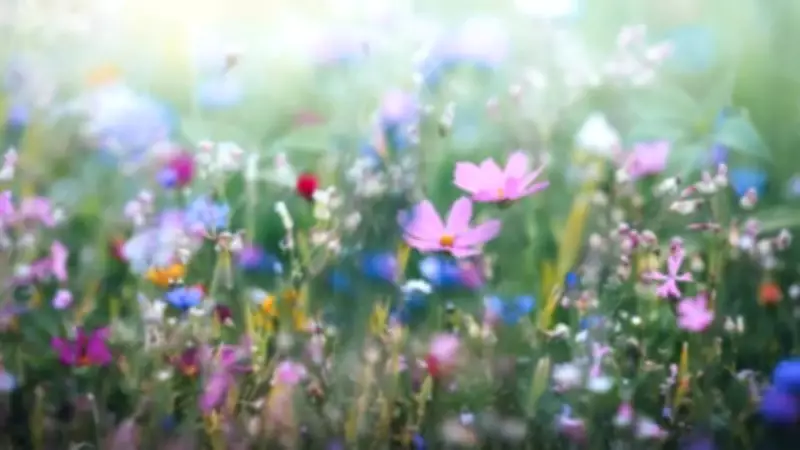
Wildflowers encompass a wide variety of flowering plants that significantly enhance the beauty of gardens and balconies. More importantly, these plants serve as hosts for butterflies, bees, and other pollinators, maintaining ecosystem health and promoting natural pollination. As urban gardening gains popularity, growing wildflowers has become a favored practice. Many wildflower species are easy to cultivate and require minimal effort. Their vibrant colors, nectar-rich blossoms, and extended blooming periods make them excellent choices for improving the local ecosystem. Here are eight easy wildflowers that will attract butterflies and bees to your garden.
Coneflower – A Gardener's Favorite That Attracts Pollinators
Coneflowers are easily recognizable by their bright purple and pink petals surrounding a raised central cone. These wildflowers produce abundant nectar, attracting butterflies and bees throughout their blooming season. Additionally, they are drought-tolerant and thrive in sunny environments, making them ideal for novice gardeners. Coneflowers maintain their vibrant colors for an extended period during blooming.
Black-eyed Susan – Bright Yellow Flower with High Nectar Content
Black-eyed Susans feature bright yellow petals and a dark central disc. They attract bees, butterflies, and even birds due to their nectar and seeds. These low-maintenance wildflowers grow well in sunny environments and have a lengthy blooming period, providing a consistent food source for pollinators during summer.

Milkweed – The Host Plant for Monarch Butterflies
Milkweed is primarily grown to attract monarch butterflies. Female monarchs lay eggs on the leaves, and the larvae feed on them after hatching. In addition to butterflies, milkweed blossoms attract bees and other pollinators due to their high nectar production.
Cosmos – Pretty Wildflower with Long Blooming Time
Cosmos flowers are known for their colorful, delicate petals and prolonged blooming. These flowers attract bees and butterflies while requiring little maintenance. They grow well in dry soil and sunny environments, making them perfect for novice gardeners. Their airy appearance adds a natural touch to gardens.
Lavender – Fragrant Plant That Attracts Pollinators
Lavender is famous for its soothing scent and is an excellent choice for attracting bees and butterflies. Its purple flower spikes are rich in nectar, drawing pollinators during the blooming period. Lavender thrives in sunny, dry environments and can be planted in garden soil or pots.
Zinnia – Colorful Flowering Plant That Attracts Butterflies
Zinnias come in a range of bright colors, including pink, red, orange, yellow, and white. Butterflies are particularly attracted to zinnias due to their vivid hues and easily accessible nectar. Zinnias grow quickly from seeds and bloom abundantly during summer.
Bee Balm – Bright-Colored Flowering Plants with Pleasant Fragrance
Bee balm produces colorful tubular flowers that attract bees, butterflies, and sometimes hummingbirds. Its high nectar content and pleasant fragrance make it appealing to pollinating insects. Bee balm grows in sunny to partially shaded environments and creates a wild, natural look in gardens, adding bright colors to flower beds.
Sunflower – Large Plants That Attract Bees
Sunflowers are particularly attractive to butterflies and bees, especially bees, due to their large, pollen-filled centers. They are easy to grow from seeds and require minimal maintenance. After blooming, sunflowers provide seeds that feed birds.
Disclaimer
This article is for general informational and gardening purposes only. Plant growth, flowering patterns, and pollinator attraction may vary depending on climate, soil conditions, region, and seasonal changes. While these wildflowers are commonly known to attract butterflies and bees, results may differ across locations and environments. Readers are advised to consult local gardening experts, nurseries, or agricultural authorities for plant care guidance suitable for their specific area and ecosystem.