

10 World's Hottest Spicy Dishes That Test Culinary Limits
Spice manifests uniquely across global cuisines, ranging from sharp, burning sensations to lingering, numbing effects that gradually intensify until the body yields. What unites the planet's spiciest dishes extends beyond mere heat; it's the deliberate intent behind them. These culinary creations are crafted to challenge tolerance, honor regional chillies, and demonstrate that fiery flavors carry deep cultural meanings rather than just shock value. Here are ten dishes widely celebrated as among the most intensely hot worldwide.
Phaal Curry: The Ultimate Heat Challenge
Often hailed as the spiciest curry ever conceived, phaal originated in the United Kingdom through South Asian chefs as a daring heat test rather than a traditional meal. It incorporates multiple high-heat chillies with minimal sweetness or fat to mitigate the impact. The outcome is an aggressive, immediate, and overwhelming experience where endurance takes precedence over flavor.
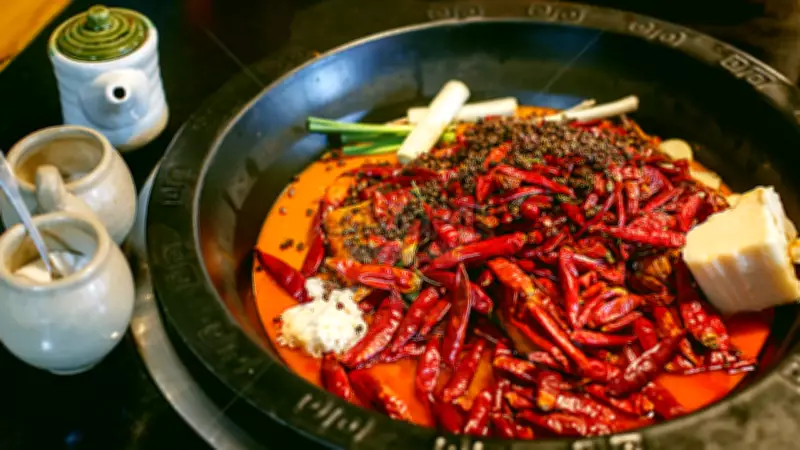
Sichuan Hot Pot: A Dual Sensory Assault
Sichuan hot pot delivers a two-pronged attack: intense chilli heat combined with mouth-numbing Sichuan peppercorns. The broth is laden with dried chillies, chilli oil, and aromatic ingredients that adhere to every item cooked within it. The spice persists, creating a buzzing, lingering sensation that resurfaces with each bite.

Laal Maas: Rajasthan's Fiery Lamb Delight
This iconic Rajasthani lamb curry is distinguished by its vibrant red hue and unwavering heat. Traditionally prepared with local red chillies instead of conventional garam masala blends, laal maas offers a slow, deep burn. The richness of the lamb provides some balance, yet the spice remains boldly unapologetic.
Goan Vindaloo: Authentic Sharp and Sour Heat
Authentic Goan vindaloo starkly contrasts with its milder restaurant adaptations. Crafted with vinegar, garlic, and a generous quantity of dried red chillies, it presents a sharp, sour, and fiercely hot profile. The spice cuts through the dish's richness, leaving no room for sweetness or respite.
Buldak (Fire Chicken): Korea's Extreme Street Food
Buldak represents Korean spice pushed to its limits. Chicken is enveloped in a thick, smoky, sweet, and violently hot chilli paste. While it gained global fame through online spice challenges, its essence lies in street food designed to test boundaries while maintaining flavorful integrity.
Nam Prik–Based Thai Dishes: Precision Heat
Certain Thai chilli pastes, particularly those featuring bird's eye chillies, lime, and fish sauce, deliver brutally intense heat. When incorporated into rice or stir-fries, they produce dishes that sting instantly and repeatedly. Thai spice exemplifies precision, administered without compromise.
Doro Wat: Ethiopia's Gradual Heat Build-Up
This Ethiopian chicken stew utilizes berbere, a spice blend rich in dried chillies and warming spices. The heat develops gradually, spreading warmth throughout the body rather than striking abruptly. It's a rich, complex dish that becomes deceptively intense when consumed in substantial portions.
Mala Xiang Guo: Concentrated Dry-Fried Spice
Unlike hot pot, mala xiang guo involves dry-frying vegetables and meats with chilli oil, dried chillies, and Sichuan peppercorns until thoroughly coated. The absence of broth concentrates the heat, rendering each bite punchy, numbing, and persistently spicy.
Spaghetti All’assassina: Italy's Surprising Fiery Pasta
Hailing from southern Italy, this dish astonishes many with its intensity. Spaghetti is cooked directly in a chilli-heavy tomato sauce until slightly charred. The resulting heat is sharp and smoky, proving that extreme spice isn't confined to Asian culinary traditions.
Ají Amarillo–Based Peruvian Dishes: Deceptively Hot
Peruvian dishes incorporating ají amarillo may appear mild but pack serious heat. The chilli's fruity notes conceal its potency, creating a delayed burn that amplifies with each bite. When paired with creamy sauces or potatoes, the contrast accentuates the spice's strength.

