5 Iconic Cakes That Truly Originated in India
Many people think cakes came to India only from Europe. That is not the full story. While colonial kitchens introduced sponge cakes and gateaux, India quietly developed its own baking traditions. Local ingredients, climate, and cultural habits shaped these unique creations. Some emerged from Irani cafés, others from Parsi homes or hill-station bakeries. These five cakes did not just gain popularity here. They were genuinely invented in India, blending butter, eggs, and fruit with distinct Indian tastes.
Mawa Cake: Mumbai's Rich Tea-Time Delight
Mawa cake stands as India's most iconic homegrown tea cake. It first appeared in Parsi and Irani bakeries across Mumbai and Pune. European butter cakes met khoya, the slow-reduced milk solids used in Indian sweets. This simple addition transformed everything. Mawa gave the cake a dense, fudgy richness that ordinary butter cakes lack.
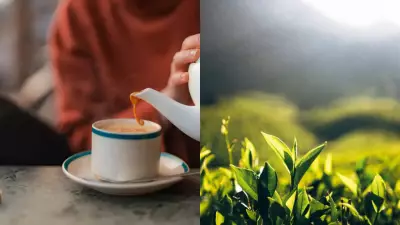
Unlike Western pound cakes, mawa cake stays moist for several days. The milk solids bind with fat and sugar to create a crumb that feels almost like a baked peda. People enjoy it warm with chai, making it a ritual in Irani cafés and bakery counters throughout western India. Establishments like Merwans in Mumbai and Kayani in Pune turned it into a cult favorite. Its DNA remains unmistakably Indian.

Plum Cake: India's Bold Christmas Tradition
Plum cake existed in Europe, but India completely transformed it. In Kerala, Kolkata, Chennai, and other colonial cities, bakers adapted British fruit cakes to local conditions. They used alcohol-soaked dried fruits, caramelised sugar syrup, and heavy spice blends featuring cinnamon, nutmeg, and clove. These versions became much bolder than their European counterparts.
What emerged is the Indian Christmas plum cake. It is darker, moister, and more intensely spiced. In places like Kerala, it became part of wedding gifts, church feasts, and year-end rituals. Unlike Western versions that can taste dry, Indian plum cake stays sticky and aromatic. It feels closer to a preserved dessert than a simple sponge. This cake is no longer borrowed food. It has become its own cherished tradition.
Goan Bebinca Cake: A Layered Masterpiece
Bebinca is technically a pudding-cake hybrid, but people bake it in layers and slice it like a cake. It originated in Goa's Catholic households. The recipe uses coconut milk, egg yolks, sugar, and ghee. Bakers cook it layer by layer until it forms a striped, caramelised slab.
Each layer is cooked separately under heat before adding the next one. The result is rich, silky, and deeply golden. Families serve bebinca at weddings, Christmas, and major celebrations. Nothing like it exists outside India. Its texture, technique, and flavour come directly from Goan ingredients and Portuguese-Indian kitchen traditions.
Rasmalai Cake: A Modern Mithai Fusion
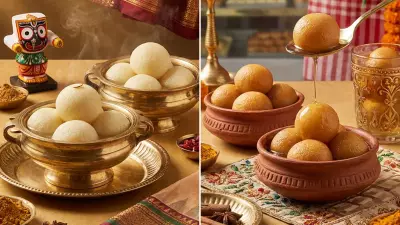
Rasmalai cake is one of India's most loved dessert creations. It was born from the meeting of traditional mithai and modern baking. Instead of heavy buttercream, soft sponge layers are soaked with saffron- and cardamom-infused milk. These are the same flavours that define traditional rasmalai.
Between the layers sit creamy malai fillings. Bakers often make these from whipped cream blended with rabri or condensed milk. The result is light yet deeply milky, fragrant, and unmistakably Indian. It gained popularity in North Indian bakeries and wedding kitchens. This cake offers a way to serve a familiar festive sweet in cake form without losing its cultural flavour.
Rava Cake: South India's Humble Gem
Rava cake grew out of South Indian home baking. Instead of refined flour, it uses semolina. This gives the cake a slightly grainy, tender crumb. Bakers often flavour it with coconut, cardamom, or citrus. They keep it mildly sweet, making it closer to a baked dessert than a sugary pastry.
Rava cake fits Indian tea culture perfectly. It is filling, easy to digest, and pairs well with filter coffee or chai. Many Iyengar bakeries made it a staple. They turned a humble grain into a beloved cake that feels both traditional and modern.