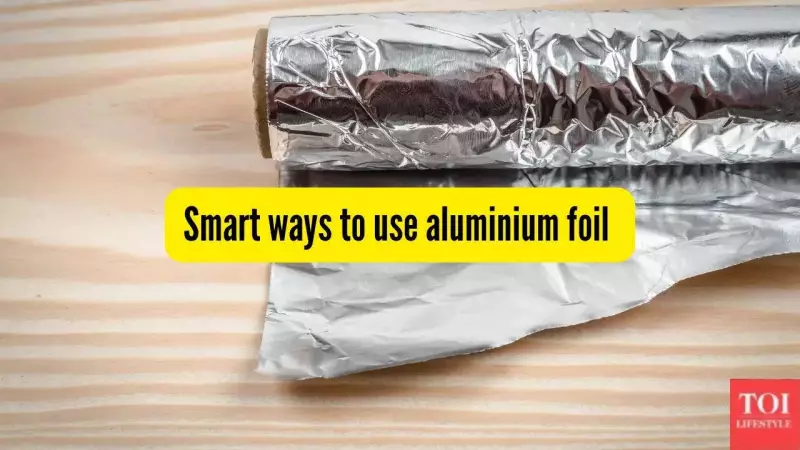
Aluminium foil sits in nearly every kitchen drawer. Most people grab it just for wrapping leftovers or covering dishes. But this humble sheet holds far more potential. It can save you time, reduce mess, and make daily cooking simpler. Let's explore five practical ways to use aluminium foil that truly deliver results.
Protect Your Oven from Spills
One brilliant use involves safeguarding your oven. When baking pies or dishes that bubble over, place a sheet of foil on the rack below your food. Do not put it directly on the oven floor. This simple step catches drips and prevents burnt-on residue that's tough to scrub later. Remember to use foil correctly to avoid any safety issues.
Keep Food Warm Without Overcooking
Aluminium foil excels at retaining heat. Wrap your rotis or grilled vegetables loosely in foil to maintain their temperature. Avoid tight wrapping, as it traps steam and makes food soggy. A light cover allows some moisture to escape while preserving warmth effectively.

Clean Burnt Utensils with Ease
Few know this aluminium foil trick. Scrub burnt pans or greasy trays by crumpling foil into a ball. It works wonders on stainless steel or cast iron, removing stubborn food residue. Be cautious, though. Do not use this method on non-stick cookware, as it can scratch the coating.
Achieve Even Cooking Results
Use foil smartly for uniform cooking. Wrap vegetables like corn, beetroot, or potatoes in foil to cook them thoroughly while locking in moisture. It also works for roasting fish, chicken, or paneer, sealing in flavours. You can tent a dish with foil to slow surface browning, allowing the inside to cook properly without overcooking.
Line Baking Trays for Easy Cleanup
Foil makes cleanup a breeze. Line your baking trays with it when roasting oily or sticky foods. Once done, simply discard the foil. Your tray stays clean and spotless, saving you scrubbing time.
Use Aluminium Foil Wisely
Aluminium foil is a versatile kitchen hero, but use it with care. Follow these precautions:
- Avoid cooking highly acidic foods in foil.
- Do not store food in foil for extended periods.
The Shiny Side vs. Matte Side Debate
Many wonder which side of the foil should face the food—shiny or matte. Some claim the shiny side is healthier, while others prefer the matte side. The truth lies in how aluminium foil is manufactured. For standard foil, there is no right or wrong side. Only special non-stick aluminium foil requires placing the non-stick side toward the food. Otherwise, the difference is minimal.