

Beyond Coolers: How Indian Farmers Survive Scorching Summers with Traditional Foods
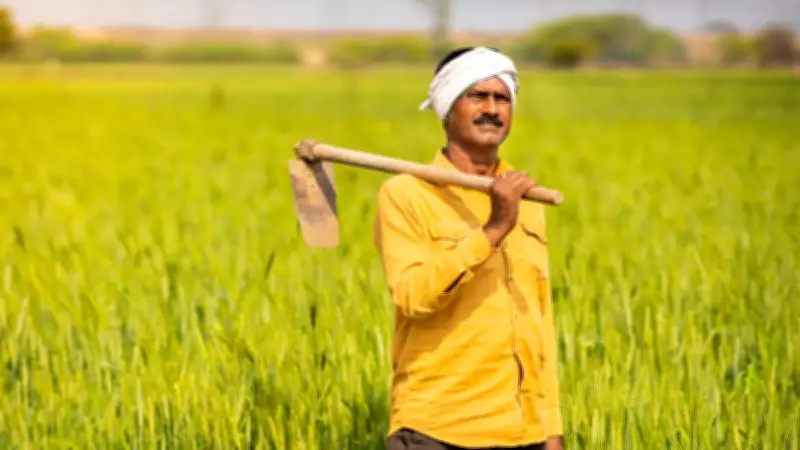
While many of us seek refuge from summer heat in air-conditioned spaces with modern energy drinks, Indian farmers have been battling extreme temperatures in open fields for generations. Working under blazing sun with temperatures often exceeding 45°C, they rely on time-tested, traditional foods passed down through centuries of agricultural wisdom.
These aren't random choices but practical, powerful solutions deeply rooted in local knowledge and Ayurvedic principles. Here are six desi foods that have sustained farmers through the harshest summer conditions.
Sattu: The Ultimate Desi Superfood
For centuries, sattu has been a farmer's best companion in the fields. Made from roasted gram flour, this versatile ingredient transforms into a refreshing drink when mixed with water, salt, lemon, or jaggery. Traditionally, farmers also enjoyed it as a porridge with added water, salt, mustard oil, and accompaniments like bharwa mirch ka achar and onion.

Rich in protein, fibre, and essential minerals, sattu provides both sustained energy and satiety. According to Ayurvedic principles, it acts as a natural coolant, helping regulate body temperature and prevent dehydration. Its lightweight nature made it easy for farmers to carry in polybags or tiffin boxes, providing nourishment through long hours of labor without energy depletion.
Chaas: The Traditional Buttermilk Coolant
Known as buttermilk, chaas has served as a farmer's go-to summer drink for generations. Farmers traditionally carried it in clay pots, which kept the beverage naturally cool even under direct sunlight. Packed with probiotics that aid digestion and replenish electrolytes lost through sweat, chaas offered both hydration and health benefits.
Farmers often enhanced its flavor and cooling properties with a pinch of salt, roasted cumin powder, and fresh mint leaves picked directly from the field. Ayurveda recognizes chaas as light on the stomach, deeply hydrating, and remarkably effective against heat exhaustion.
Aam Panna: The Tangy Heat Protector
This inexpensive summer staple allowed farmers to utilize fresh raw mangoes from their fields. Traditionally prepared with raw mango pulp, jaggery, and spices like cumin and black salt, aam panna offered more than just refreshing taste.
Farmers relied on its medicinal benefits for heat protection. According to Ayurvedic wisdom, this tangy drink helps restore salt balance in the body and is widely believed to prevent heat stroke, making it a crucial part of their summer survival strategy.
Onion: The Simple Yet Powerful Ally
Though appearing as a simple ingredient, raw onions formed a non-negotiable component of farmers' summer meals. They consumed onions with roti-dal, added them to sattu drinks, or served them alongside sattu porridge.
Ayurvedic tradition holds that raw onions help protect against heat stroke by regulating internal body temperature. They also contain antioxidants and beneficial compounds that support overall health, making them a practical addition to field meals.
Bael Sharbat: The Traditional Cooling Elixir
While recently gaining popularity as an Instagram trend, bael sharbat has been deeply valued in traditional diets for centuries. Farmers consumed this beverage during peak summer for its powerful cooling effects.
Made from bael fruit pulp that's mashed, strained, and diluted with water, then seasoned with salt, sugar, and cumin powder, traditional preparation involved using red muslin cloth to extract maximum pulp. The same wet cloth would wrap the vessel to keep it cool under field trees.
Curd Rice: The Comforting Cooling Meal
A staple across many Indian regions, curd rice served as a go-to meal for farmers seeking comfort and cooling relief during hot days. While modern versions might appear fancy, traditional preparation involved combining leftover rice with curd for easy digestion and stomach soothing.
The probiotics in curd improve gut health, while rice carbohydrates provide sustained energy. This simple yet effective combination offered both nourishment and temperature regulation during demanding field work.

These traditional foods represent centuries of accumulated wisdom, showing how Indian farmers have developed practical, nutritious solutions to survive extreme working conditions while providing the nation with essential agricultural produce.
