

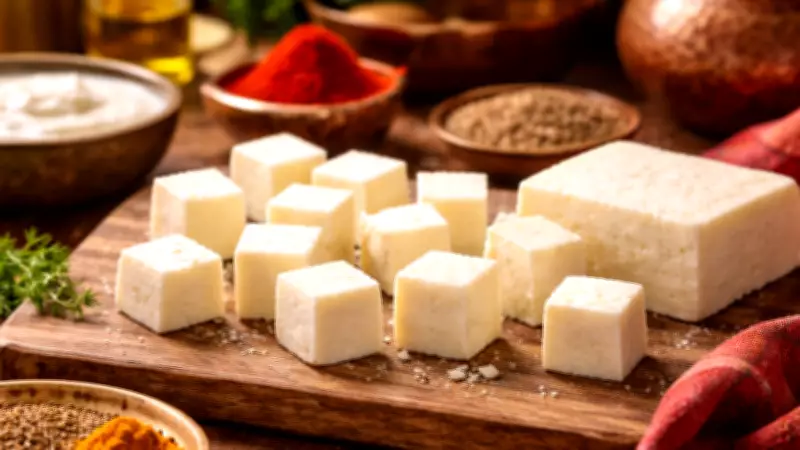
6 Common Cooking Mistakes That Reduce Paneer's Protein Value
Paneer has long been celebrated as a versatile and beloved ingredient in Indian cuisine, seamlessly integrating into curries, salads, parathas, and snacks with its soft, mild flavor. Beyond its culinary appeal, paneer stands out as a significant vegetarian source of protein, making it a staple in many households. However, many people are unaware that everyday cooking, storage, and pairing habits can subtly diminish its protein value or hinder the body's ability to utilize it effectively. These errors often occur gradually through seemingly harmless practices. Here, we explore six common mistakes that can quietly undermine the protein power of paneer, offering insights into how to preserve its nutritional integrity.
Cooking Paneer on Very High Heat
Paneer is a delicate dairy product that requires gentle handling compared to tougher proteins like meats or legumes. When fried at excessively high temperatures for prolonged periods, often to achieve a golden crust, paneer's protein structure tightens excessively. This process does not completely destroy the protein but makes it harder for the body to digest and absorb efficiently, reducing its bioavailability. The result is paneer that turns rubbery rather than retaining its soft texture. To maintain optimal protein quality, it is advisable to lightly sauté paneer on medium heat for a short duration or add it toward the end of cooking in gravies, allowing it to warm without overcooking.
Deep-Frying Paneer Before Adding It to Curries
Many restaurant-style recipes, such as butter paneer or paneer masala, recommend deep-frying paneer cubes to achieve a firmer texture. While this technique enhances mouthfeel, it introduces nutritional compromises. Deep frying exposes paneer to very high temperatures and saturates it with oil, which does not directly remove protein but dilutes the nutritional balance of the dish. Excess fat can slow digestion, making the protein less efficient as a clean source. Additionally, repeated frying in reused oil, a common practice in many kitchens, may trigger chemical changes that further degrade overall nutritional quality. For a gentler alternative, consider shallow sautéing or using an air fryer to lightly crisp paneer without excessive oil absorption.

Over-Boiling Paneer in Gravies
A subtle yet impactful mistake occurs when paneer is added to curries and allowed to simmer for extended periods, such as 15–20 minutes. Paneer does not require prolonged cooking; excessive boiling can cause its protein matrix to tighten and leach small amounts of nutrients into the gravy. While these nutrients remain in the dish, the paneer itself becomes tougher and nutritionally suboptimal. Professional chefs often add paneer during the final few minutes of cooking to preserve its soft texture and enhance protein quality while still allowing it to absorb flavors from the gravy.
Washing Paneer Too Aggressively
Some cooks rinse paneer under running water to remove excess acidity or oil, particularly when using packaged varieties. A gentle rinse is generally harmless, but soaking or vigorously washing paneer for extended periods can lead to minor nutrient loss. Paneer contains water-soluble nutrients alongside protein, and prolonged exposure to water can cause these compounds to seep out. This does not eliminate protein entirely but slightly reduces the overall nutritional density. If paneer feels too firm, soaking it briefly in warm water for one to two minutes is sufficient to soften it without unnecessary nutrient loss.
Pairing Paneer with Excessive Refined Carbohydrates
Protein absorption is influenced not only by cooking methods but also by food pairings. Paneer dishes are often served with large portions of refined carbohydrates, such as white naan, butter-laden gravies, or processed breads. While this combination is culturally familiar, it can create an imbalanced meal where protein constitutes only a small fraction of total calories. Excess refined carbohydrates can spike blood sugar levels and blunt the metabolic advantages of high-protein foods. For better digestion and nutrient utilization, pair paneer with whole grains, vegetables, or fiber-rich foods to create a more balanced plate.

Storing Paneer Incorrectly
Paneer is highly perishable due to its combination of protein and moisture, which creates an ideal environment for bacterial growth. Improper storage in the refrigerator can lead to gradual protein degradation. If left uncovered or stored for too many days, microbial activity begins to break down paneer's structure, causing subtle nutritional changes even before spoilage becomes apparent. Fresh paneer should ideally be consumed within two to three days. To preserve both texture and nutritional quality, store paneer submerged in clean water in the refrigerator and change the water daily to maintain freshness.
By avoiding these common mistakes, you can maximize the protein benefits of paneer, ensuring it remains a nutritious and delicious component of your diet. Simple adjustments in cooking, storage, and pairing can significantly enhance its health value, making paneer an even more valuable addition to vegetarian and balanced eating plans.
